We all know the feeling. You’ve asked your kids to help out around the house, and instead of a chorus of eager volunteers, you’re met with eye rolls and reluctant sighs. It’s a common frustration for parents trying to instill a sense of responsibility in their little ones. That’s where customizable free printable chore charts come in. These helpful tools not only organize tasks but also make it easier for children to understand their responsibilities, turning chore time into a more manageable and even enjoyable part of your day.
Why Use Customizable Chore Charts?
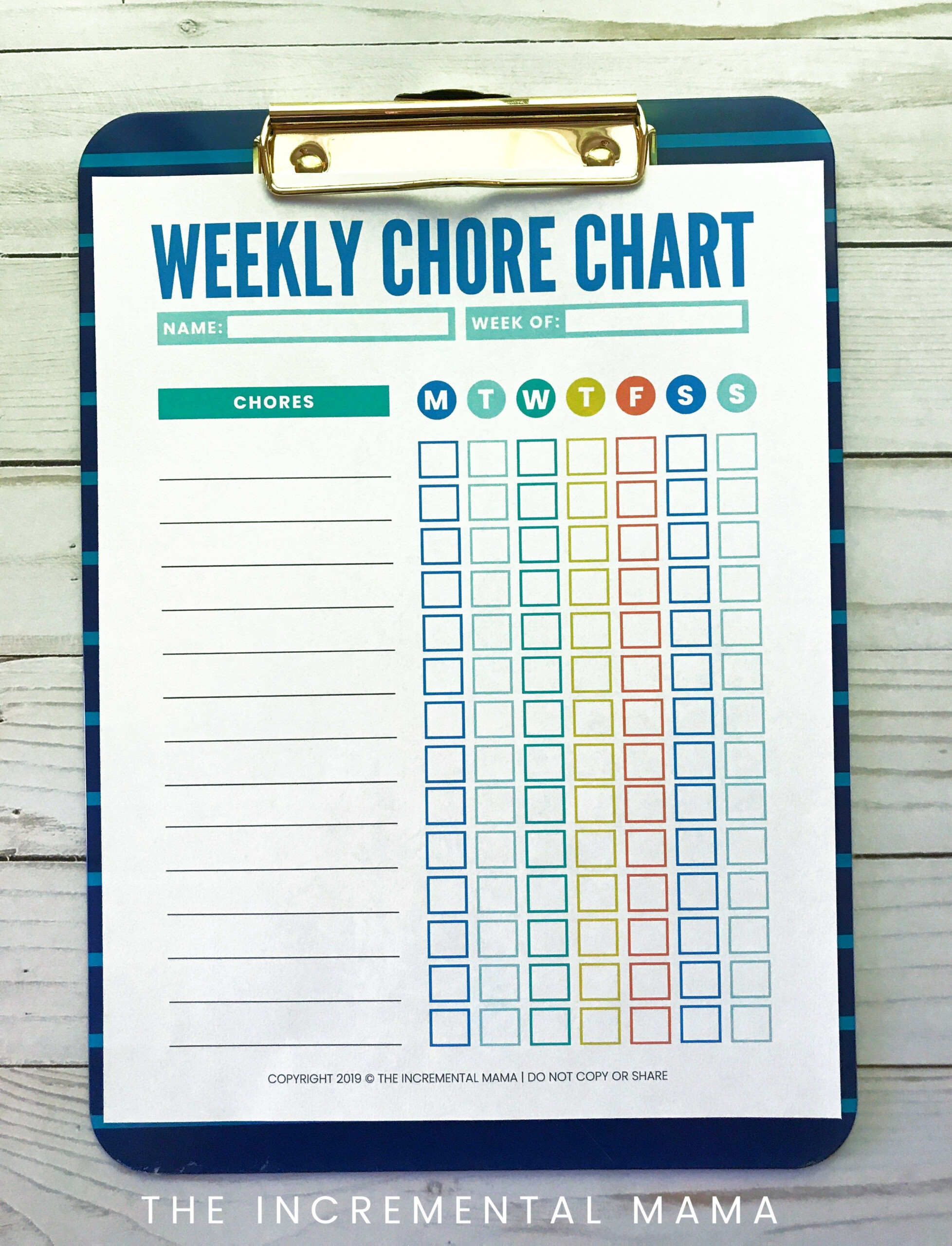
Chore charts are more than just a list of tasks. They provide a visual representation of responsibilities that can help kids track their progress. Customizable free printable chore charts allow you to tailor the tasks according to your family’s unique needs. You can adjust the difficulty level for different ages, making them suitable for toddlers to teens. This adaptability can lead to increased engagement and motivation.
Having a chore chart can also reduce the constant back-and-forth of reminders. Kids can see what they need to do at a glance, fostering independence. Plus, the satisfaction of checking off completed tasks can motivate them to take on more responsibilities.
How to Customize Your Chore Chart
Creating a chore chart that fits your family is simple and straightforward. Here’s a step-by-step guide:
- Choose a Template: Start with a printable chore chart template. Look for one that allows you to edit or fill in tasks easily. Many websites offer free templates that you can download and print.
- Identify Tasks: Make a list of chores appropriate for each child based on their age and abilities. For younger kids, simple tasks like “Make the bed” or “Sort laundry” work well, while older kids can take on more complex chores like “Vacuum the living room” or “Prepare a simple meal.”
- Assign Responsibilities: Allocate specific chores to each child. Consider rotating them weekly to keep things fresh and fair. This also prevents the monotony that can come with repeated tasks.
- Add Rewards: Incorporate a reward system on your chore chart. You might include stickers, tokens, or points that can be exchanged for privileges or treats. This adds an element of fun and motivates kids to complete their chores.
- Incorporate Visuals: For younger children, adding images next to tasks can help them understand what’s expected. You can find clipart online or use stickers to make the chart visually engaging.
- Review and Update: Regularly review the chore chart with your kids. Discuss what’s working and what isn’t. This collaborative approach helps them feel involved and can improve their willingness to help out.
Where to Place Your Chore Chart
Location matters when it comes to visibility and accessibility. Here are a few strategic placement ideas:
- Family Command Center: If you have a space in your kitchen or hallway where you keep schedules and reminders, this is a prime location for your chore chart. It keeps chores front and center.
- On the Fridge: A magnetic chore chart can be placed directly on the refrigerator. This high-traffic area ensures that kids will see their tasks daily.
- In Their Rooms: For older children, consider placing the chore chart in their room. This way, they can take ownership of their responsibilities without constant parental prompts.
- Digital Options: If your family is tech-savvy, consider using a digital chore chart app. These often come with reminders and notifications, making it easy to stay on track.
Adapting Chores for Different Ages
One of the biggest advantages of customizable free printable chore charts is the ability to adapt tasks for various age groups. Here’s how you can modify chores to suit different ages:
- Toddlers (Ages 2-4): Focus on simple tasks like putting toys away, wiping spills with a damp cloth, or sorting socks by color. These tasks should be straightforward and achievable, giving them a sense of accomplishment.
- Preschoolers (Ages 4-5): At this stage, children can take on slightly more complex chores such as setting the table, helping with meal prep (like washing vegetables), or watering plants. Keep the tasks engaging and fun.
- School-Aged Kids (Ages 6-12): Kids in this age range can handle more responsibility. Assign them tasks like making their beds, folding laundry, or cleaning their rooms. You can also introduce a weekly cleaning schedule to cover common areas like the living room or bathroom.
- Teens (Ages 13+): Teenagers can manage household tasks independently. This might include cooking a meal, grocery shopping, or helping with yard work. Encourage them to take ownership of their space by assigning them specific areas to maintain.
Making Chores Fun
Chores don’t have to be a drag. Here are some creative ideas to make them more enjoyable:
- Chore Challenges: Turn chores into a friendly competition. See who can complete their tasks the fastest or with the best quality. Offer small rewards for the winner to keep spirits high.
- Music and Movement: Play upbeat music while everyone tackles their chores. It can lighten the mood and make the task feel less like work.
- Family Chore Day: Designate a family chore day where everyone pitches in together. This not only gets the work done faster but also fosters teamwork and bonding.
- Theme Days: Assign themes for different days of the week. For example, “Messy Monday” could focus on deep cleaning, while “Tidy Tuesday” could be about organizing and decluttering.
Tracking Progress With Your Chore Chart
Once your chore chart is set up, it’s essential to track progress and celebrate successes. You can do this in several ways:
- Weekly Reviews: Set aside time each week to review completed tasks. Acknowledge the efforts of each child and discuss any challenges they faced.
- Visual Progress: Consider adding a “completed” section on the chore chart. This could be a different color or a set of stickers that children can use to mark off completed tasks. The visual representation of their hard work can be very motivating.
- Monthly Rewards: At the end of each month, consider a family outing or special treat for those who consistently complete their chores. This reinforces positive behavior and makes the effort worthwhile.
- Feedback Loop: Encourage children to share their thoughts on the chore chart and suggest changes. This feedback can help you refine the chart and keep everyone engaged.
Customizable free printable chore charts are an invaluable resource for parents looking to instill responsibility and organization in their children. By adjusting tasks to fit different ages, making chores fun, and tracking progress, you can create a household environment where chores are seen as a shared responsibility rather than a burden. So, grab a template, customize it to fit your family, and watch as your kids step up to the challenge!
Here’s one tip to get started: Choose a template that aligns with your family’s style and print it out today to kick off your chore chart journey!