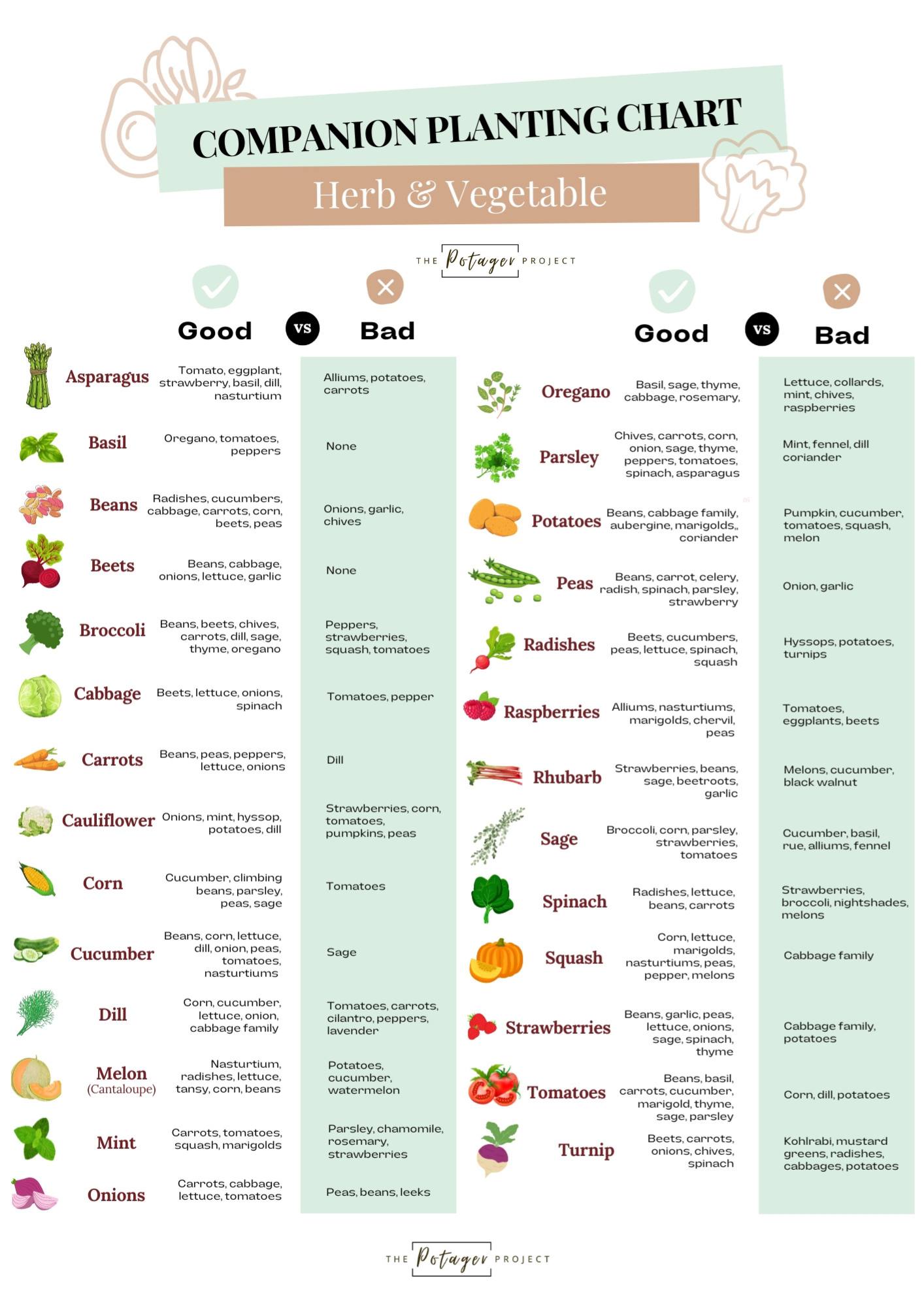
When it comes to gardening, especially vegetable gardening, knowing which plants thrive together is crucial. That’s where a Free Printable Companion Planting Chart For Vegetables comes into play. This handy tool helps you pair your plants effectively, ensuring a bountiful harvest. Companion planting isn’t just a gardening trend; it’s a time-tested practice that can significantly enhance your gardening success.
Understanding Companion Planting
Companion planting involves growing different plants in close proximity for mutual benefit. Some plants can deter pests, improve nutrient uptake, or even enhance flavors when grown together. For example, planting tomatoes with basil can not only help repel pests but also improve the taste of your tomatoes. By utilizing a companion planting chart, you can plan your garden layout more effectively.
Using this chart, you’ll find recommendations for which vegetables grow well together and which should be kept apart. The layout typically includes columns for vegetable names, companion plant suggestions, and notes on any special considerations.
How to Use the Companion Planting Chart
Using the Free Printable Companion Planting Chart For Vegetables is straightforward. Here’s how to make the most of it:
- Identify Your Available Space: Measure your garden area and decide how many plants you want to grow. This will inform your planting decisions.
- Select Your Vegetables: Based on your family’s preferences and dietary needs, pick the vegetables you want to grow.
- Consult the Chart: Look up each vegetable in your plan on the chart. It will show you what to plant alongside them and what to avoid.
- Plan Your Layout: Sketch a rough layout of your garden bed, incorporating the companion planting suggestions.
This practical approach not only maximizes space but also helps to create a healthier garden ecosystem.
Key Features of the Companion Planting Chart
The Free Printable Companion Planting Chart For Vegetables typically contains important information to guide your gardening efforts. Here are some key features to look for:
- Vegetable Names: Lists common vegetables you might want to plant.
- Companion Suggestions: Provides a list of beneficial companion plants for each vegetable.
- Detrimental Neighbors: Indicates plants that should not be grown together due to potential competition for nutrients or pest attraction.
- Growth Requirements: Some charts may also include light and water requirements, making it easier to group plants that have similar needs.
By keeping these features in mind, you can choose the right combinations that will thrive together.
Best Practices for Printing and Using the Chart
Now that you have the companion planting chart, you’ll want to ensure you’re using it effectively. Here are some practical tips for printing and utilizing your chart:
- Print on Cardstock: For durability, print your chart on cardstock instead of standard printer paper. Cardstock holds up better in outdoor conditions.
- Use a Portrait Layout: Portrait layout is generally easier to read and fits well into a gardening binder or can be hung on a wall for quick reference.
- Consider Laminating: If you plan to use your chart outdoors, consider laminating it. This will protect it from moisture and dirt while you work in the garden.
- Make Notes: Don’t hesitate to write on the chart itself. Add notes regarding your personal experiences with specific plants or jot down any adjustments you make.
By following these practices, your companion planting chart will be a reliable resource throughout your gardening season.
Finding the Right Resources for Companion Planting
When searching for a Free Printable Companion Planting Chart For Vegetables, ensure you’re getting a resource that’s accurate and easy to use. Here are some reliable ways to find the right chart:
- Gardening Websites: Many gardening websites offer free downloadable resources. Look for reputable sites that specialize in vegetable gardening.
- Local Extension Services: Your local agricultural extension office often provides free resources tailored to your region’s growing conditions.
- Books and Magazines: While not free, gardening books and magazines often include companion planting charts and can be a great investment for serious gardeners.
These resources can provide additional insights and tips that go beyond the chart itself, enhancing your overall gardening knowledge.
Troubleshooting Common Companion Planting Issues
Even with the best planning, you may encounter issues while implementing your companion planting strategy. Here are some common problems and how to address them:
- Pest Infestations: If you find certain plants are attracting pests, consult your chart. There might be a more suitable companion plant to provide protection.
- Nutrient Competition: Some plants may compete for nutrients more than you anticipated. If you notice stunted growth, consider rearranging your layout based on the chart’s recommendations.
- Poor Growth Rates: If certain vegetables aren’t thriving, check if they are planted near incompatible neighbors. Adjust their placement in your garden to improve performance.
By keeping an eye on your garden and being willing to adapt, you can ensure that your companion planting efforts are successful.
The Benefits of Companion Planting
The Free Printable Companion Planting Chart For Vegetables not only helps you plan your garden but also offers numerous benefits:
- Improved Pest Management: Certain plants naturally repel pests, reducing the need for chemical pesticides.
- Better Yield: By pairing plants wisely, you can maximize your harvest.
- Enhanced Flavor: Some plants, like basil and tomatoes, can improve each other’s flavors when grown together.
- Efficient Use of Space: Companion planting allows you to grow more in less space by utilizing vertical and horizontal growth patterns.
These benefits make companion planting a worthwhile practice for any vegetable gardener.