Golf is a game of precision, and one key aspect of mastering your swing is understanding the correct ball position. A Printable Golf Ball Position Chart can be an invaluable tool for players of all skill levels, whether you’re just starting out or looking to refine your technique. This chart simplifies the often complex decisions about where to place the ball in relation to your stance, helping you to achieve better contact, distance, and accuracy.
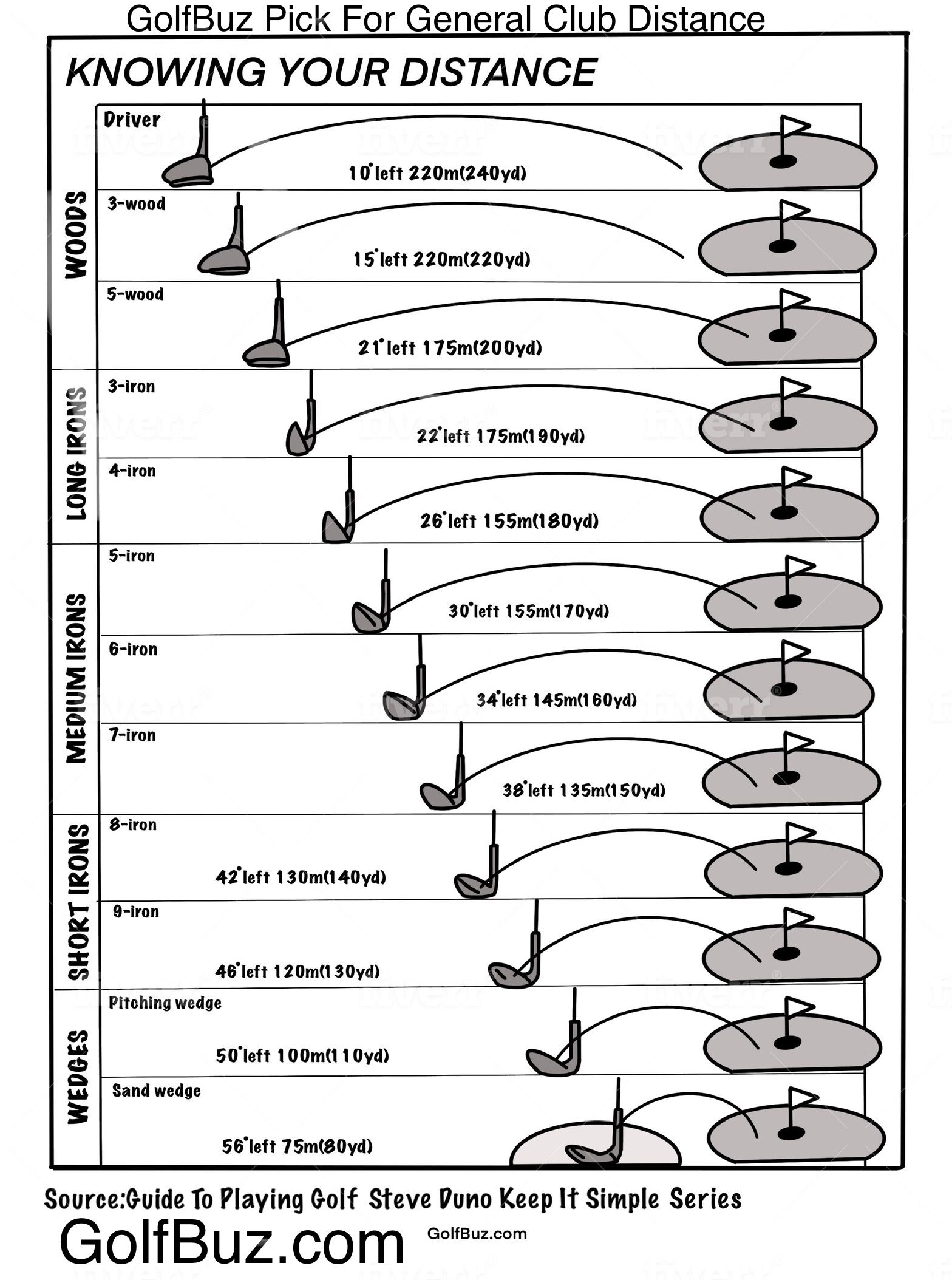
Understanding the Layout of the Chart
The Printable Golf Ball Position Chart is typically designed in a clear, easy-to-read format. Most charts will feature a diagram of a golfer in various stances, illustrating where the ball should be positioned for different types of shots.
- Stance Diagrams: Each diagram usually includes labeled sections indicating the ideal ball position for different shots, such as a driver, iron, or wedge.
- Distance Markers: Some charts may also include distance markers, which can help you determine how the ball position affects your swing based on the club you’re using.
When you first look at the chart, you might notice that it’s laid out in a way that intuitively guides you through the different positions. You’ll find that the diagrams are often accompanied by brief descriptions, making it easier to understand the context of each position.
Key Sections of the Chart
Each section of the Printable Golf Ball Position Chart is crucial for understanding how ball placement affects your swing. Here’s a closer look at the typical sections you’ll find:
Driver Position
The driver section usually indicates that the ball should be positioned off your front heel. This helps you make contact on the upswing, maximizing distance.
- Why It’s Important: Placing the ball too far back can lead to a downward strike, resulting in less distance and a higher chance of topping the ball.
Iron Position
For mid-irons, the chart will typically suggest positioning the ball in the center of your stance.
- Key Insight: This position allows for a more controlled downward strike, which is essential for accuracy.
Wedge Position
When it comes to wedges, the ball should usually be placed slightly back in your stance.
- Usage Tip: This position helps create a steeper angle of attack, which is particularly useful for short, precise shots around the green.
How to Use the Chart Effectively
Using the Printable Golf Ball Position Chart effectively involves more than just glancing at it. Here are some practical steps to ensure you get the most out of it:
- Print the Chart: Make sure you print it in a size that’s easy to read. A full-page layout usually works best, especially if you plan to take it to the driving range or the course.
- Familiarize Yourself: Spend some time studying the chart before you hit the course. Understanding the different positions and their purposes will help you recall them during your game.
- Practice with Intent: When you’re on the range, use the chart to guide your practice. Focus on one position at a time, paying attention to how it feels during your swing.
- Adjust as Necessary: Keep in mind that the ideal ball position can vary slightly based on your personal swing style. Use the chart as a guideline but adjust based on what feels comfortable for you.
Tips for Printing and Using the Chart
When preparing your Printable Golf Ball Position Chart, consider these practical tips:
- Paper Type: Use heavier paper, like cardstock, if you plan to laminate the chart for durability. This will help it withstand outdoor conditions, especially if you’re practicing in various weather.
- Orientation: Portrait layout tends to work better for most home printers, but landscape might provide a more expansive view of the stance diagrams.
- Size Considerations: An 8.5″ x 11″ size is standard, but if you have access to larger printers, a bigger version can provide more detail.
Where to Fit the Chart in Your Routine
Integrating the Printable Golf Ball Position Chart into your routine is straightforward. Here’s how you can do it:
Pre-Round Preparation
Before heading out for a round of golf, review the chart. Familiarizing yourself with the ball positions can boost your confidence and help you make quick decisions during your game.
Driving Range Practice
Take the chart with you to the driving range. As you practice with different clubs, reference the chart to ensure you’re positioning the ball correctly. This can help reinforce muscle memory.
In-Round Reference
Some players like to have the chart accessible during a round, especially if they’re trying to work on specific aspects of their game. If you’re focused on improving ball position, having the chart handy can serve as a helpful reminder.