Using a Free Printable Hundred Chart Printable can be a fantastic way to help your child grasp number concepts. This resource is particularly useful for early learners, typically in kindergarten and first grade. It provides a visual aid that makes counting and number recognition easier and more engaging. In this guide, I’ll walk you through how to use this chart effectively, along with some tips on printing and incorporating it into your daily routine.
What Is a Hundred Chart?
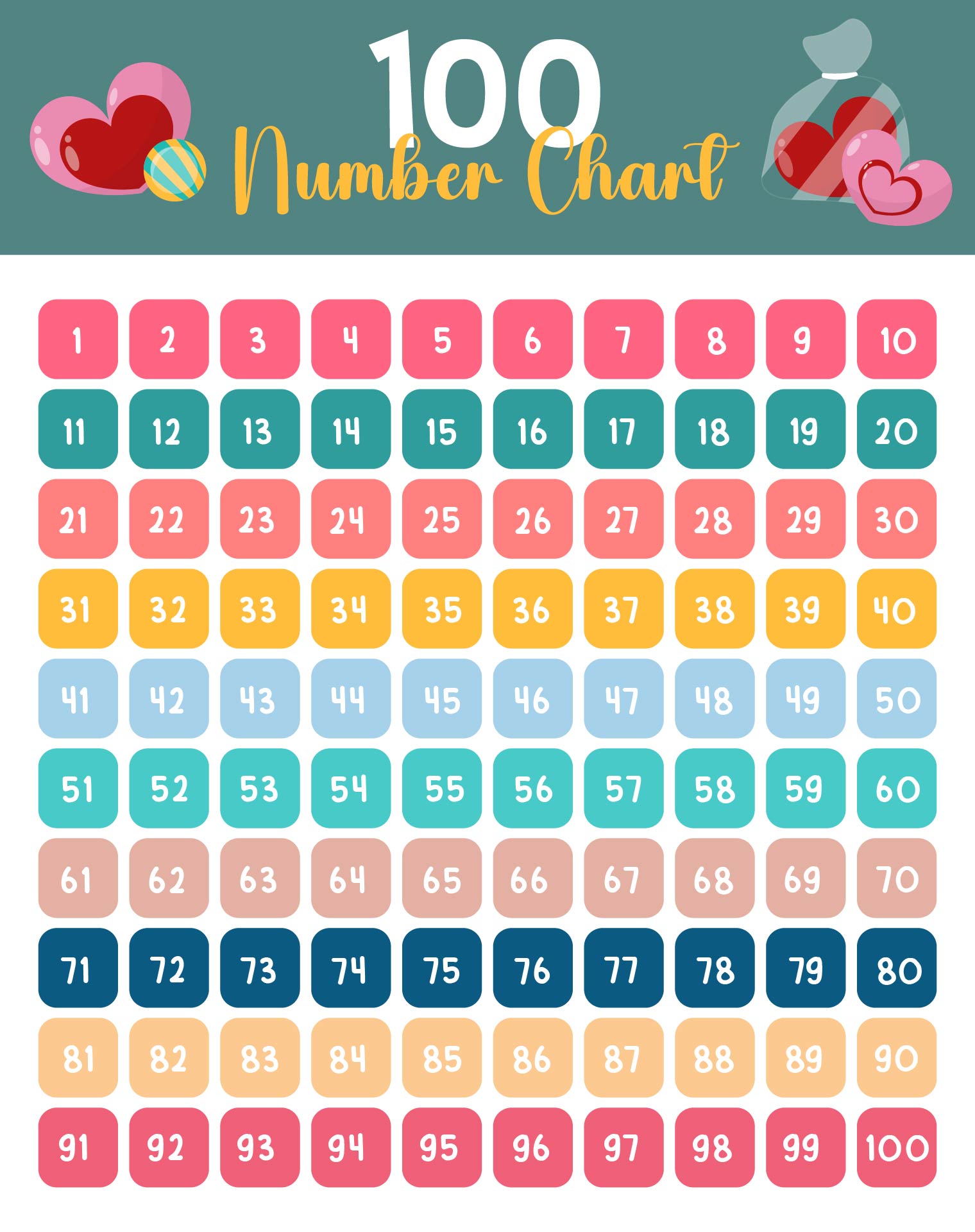
A hundred chart is a grid that displays numbers 1 through 100 in a simple, organized format. The layout helps children visualize numerical relationships and patterns. It’s particularly effective for teaching addition, subtraction, and even basic multiplication concepts. When kids can see the numbers arranged in rows and columns, they can quickly identify patterns like counting by tens or recognizing that 10 more than any number is simply one row down.
You can find a Free Printable Hundred Chart Printable online, typically in PDF format. This format is ideal because it maintains the chart’s layout regardless of the printer you use.
How to Use the Hundred Chart Effectively
Using the hundred chart can be both fun and educational. Here are some practical ways to incorporate it into your child’s learning:
Number Recognition
Start by having your child identify numbers on the chart. Point to a number and ask them to say it aloud. You can make it more interactive by asking them to find specific numbers themselves. For example, say, “Can you find the number 37?”
Counting Practice
Use the chart for counting exercises. Have your child count up to 100 out loud while pointing to each number on the chart. This will help them establish a connection between the spoken number and its written form.
Addition and Subtraction
The hundred chart is great for teaching basic math skills. For addition, you can demonstrate how to find the sum by moving down the column. For example, to add 5 + 3, start at 5 and count down three spaces to land on 8.
For subtraction, you can do the opposite. Start at the larger number and count up to find the difference. This visual method can help solidify these concepts in a child’s mind.
Patterns and Skip Counting
You can also use the chart to teach patterns. Ask your child to color every other number to visually demonstrate skip counting by twos. This can make learning more engaging and help them see the relationships between numbers.
Tips for Printing Your Hundred Chart
When you’re ready to print the Free Printable Hundred Chart Printable, here are some tips to ensure the best results:
Paper Type
For durability, consider printing on cardstock. This material is thicker and stands up better to handling, especially if your child will be using it frequently. If you want an even sturdier option, you can laminate the chart after printing.
Printer Settings
Make sure your printer settings are adjusted for the best quality. Opt for a high-quality print setting to ensure the numbers are clear and easy to read. A standard letter size (8.5 x 11 inches) is typically the best choice for home printers.
Orientation
Most hundred charts are designed in a landscape orientation, which tends to work better for fitting all numbers clearly. Double-check your printer settings to ensure it’s set to landscape mode before printing.
Incorporating the Chart Into Your Daily Routine
Integrating the hundred chart into your daily activities can reinforce learning. Here are some suggestions:
Morning Routine
Start your day by reviewing the hundred chart. This can be a simple practice, such as counting to 100 together or pointing out the date on a calendar and finding that number on the chart.
Homework Help
If your child is struggling with math homework, bring out the hundred chart. It can serve as a helpful reference point for solving problems or verifying answers.
Game Time
Create games using the chart. For instance, you can play a bingo-style game where you call out numbers and have your child cover them on the chart. This adds a fun element to learning while reinforcing their number recognition skills.
Adapting the Hundred Chart for Advanced Learning
As your child progresses in their math skills, you can adapt the use of the hundred chart for more advanced concepts. Here are some ideas:
Multiplication
Once your child is comfortable with addition and subtraction, introduce multiplication using the chart. You can highlight rows or columns to show how multiplication is essentially repeated addition.
Fractions and Decimals
For older children, you can use the hundred chart to introduce fractions and decimals. For example, explain that 50 is half of 100, and show how it’s located at the halfway point on the chart.