Behavior charts can be a powerful tool for parents and educators, helping children understand expectations and rewards. With Children’s Behavior Charts Printables, you can easily track your child’s progress and celebrate their achievements. These printables come in various designs and formats, making them an excellent resource for both home and classroom settings.
Understanding Children’s Behavior Charts
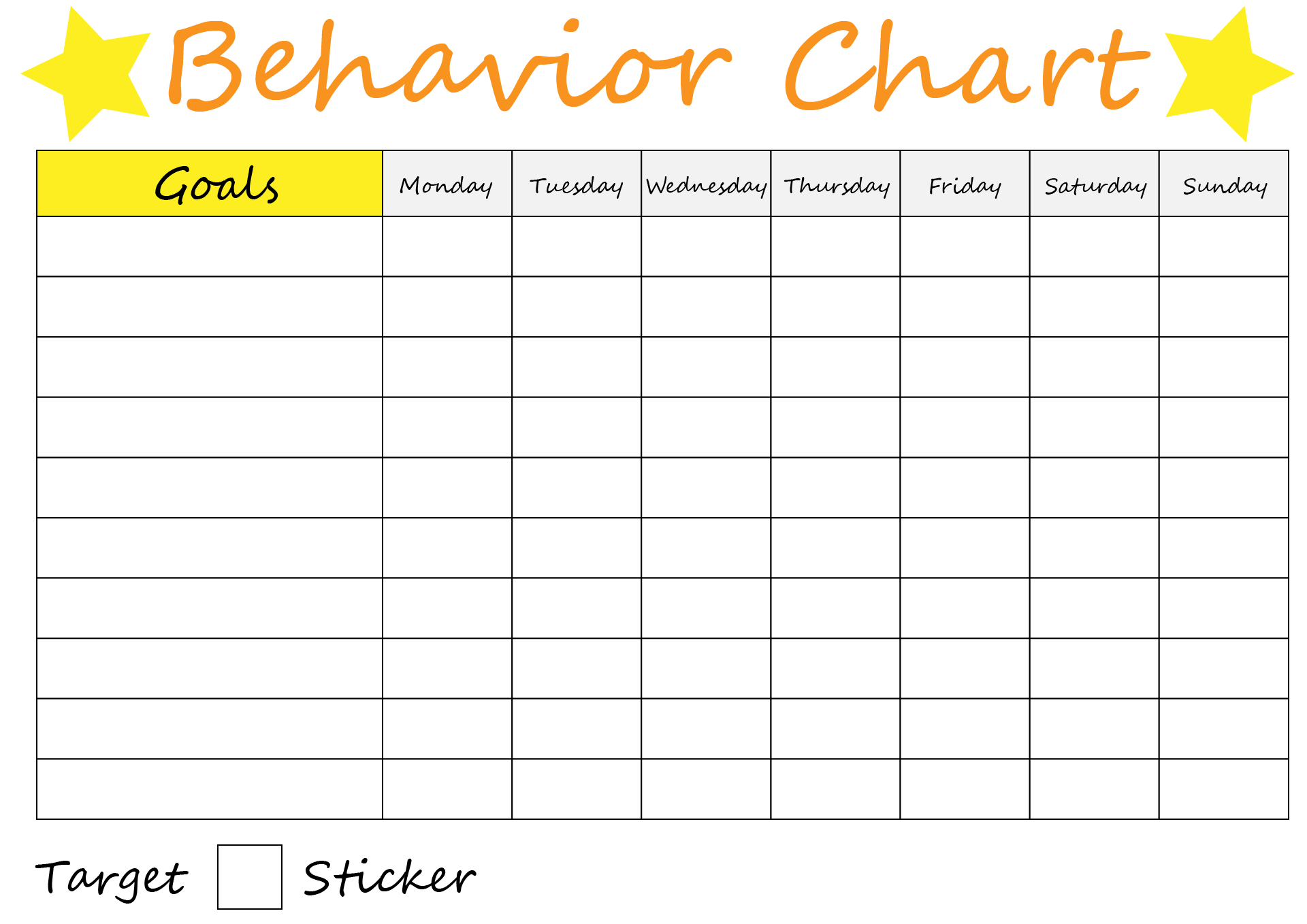
Children’s behavior charts are visual aids that help kids recognize their behavior patterns. They typically include sections for listing behaviors, tracking progress, and rewarding achievements. The layout is designed to be engaging and simple, ensuring that children can easily understand and interact with the chart.
When you look at a behavior chart, you might notice several key elements:
- Behavior Categories: These can include positive behaviors like “sharing,” “listening,” or “completing tasks,” as well as areas that need improvement.
- Tracking Progress: Many charts have spaces for daily or weekly tracking, allowing you to mark achievements or areas for growth.
- Reward System: A reward section often motivates children. This could involve stickers, stars, or a points system that leads to a special treat or privilege.
These elements work together to create a supportive environment where children can learn and grow.
Types of Children’s Behavior Charts Printables
There are various types of Children’s Behavior Charts Printables available, each designed to cater to different needs and preferences. Here are some popular options:
Star Charts
Star charts are visually appealing and fun for children. Kids earn stars for positive behavior, which can be collected and exchanged for rewards. These charts usually have a colorful design, making them eye-catching and engaging.
Daily Behavior Charts
Daily behavior charts allow for immediate feedback. Parents or teachers can track behaviors on a day-to-day basis, offering a clear view of a child’s progress. These charts often include checkboxes or spaces for notes, making it easy to identify patterns.
Weekly Behavior Charts
Weekly behavior charts provide a broader overview, allowing parents and educators to assess behaviors over a longer period. These charts can help identify trends and areas needing attention, guiding future discussions with the child.
Themed Behavior Charts
Themed charts can cater to specific interests or events, like holidays, animals, or superheroes. Incorporating a child’s favorite themes can boost motivation and engagement, making the tracking process more enjoyable.
How to Use Children’s Behavior Charts Printables Effectively
Using Children’s Behavior Charts Printables effectively involves more than just printing them out and hanging them on the wall. Here are some practical tips to maximize their impact:
Set Clear Expectations
Before starting the chart, discuss the behaviors you want to encourage. Make sure your child understands what is expected of them. For instance, if “listening” is a target behavior, explain what that looks like in everyday situations.
Make It Interactive
Encourage your child to participate in the charting process. Let them mark their progress or choose their rewards. This involvement fosters a sense of ownership and responsibility.
Regular Check-Ins
Take time to review the chart together regularly. Celebrate achievements, discuss areas needing improvement, and adjust goals as necessary. This ongoing dialogue keeps the child engaged and aware of their progress.
Be Consistent
Consistency is key to making behavior charts effective. Ensure that you regularly update the charts and follow through with rewards. This reliability helps children understand the connection between their actions and outcomes.
Design Features to Consider
When choosing or creating Children’s Behavior Charts Printables, consider the design features that best suit your needs:
Size and Format
Most printables are available in standard paper sizes like A4 or letter size. Portrait layout tends to work better for most home printers, while landscape options may offer more space for tracking multiple behaviors.
Colorful and Engaging Designs
Children respond well to bright colors and playful designs. Opt for charts that are visually appealing to keep your child motivated. You can even involve them in selecting designs that resonate with their interests.
Editable Options
Some printables come in editable formats, allowing you to customize behaviors, rewards, or layouts. This flexibility can make the charts more relevant to your child’s unique needs.
Where to Find Children’s Behavior Charts Printables
A variety of resources are available online for finding Children’s Behavior Charts Printables. Here are some recommended places to look:
- Educational Websites: Many educational sites offer free or paid printables specifically designed for tracking children’s behavior.
- Teacher Resource Sites: These platforms often provide a selection of behavior charts tailored for classroom use, which can also be adapted for home.
- Printable Marketplaces: Websites like Etsy feature unique, creative behavior charts designed by independent creators. You can find a wide range of themes and styles.
- Free Download Sites: There are numerous sites dedicated to providing free printables. A simple search for “Children’s Behavior Charts Printables” will yield many options.
Tips for Maintaining Motivation With Behavior Charts
To ensure that your child remains motivated to use their behavior chart, consider these strategies:
Mix Up Rewards
If your child becomes bored with the same rewards, try mixing them up. Introduce new incentives, such as a special outing, extra screen time, or a small toy. Keeping rewards fresh can maintain excitement.
Encourage Peer Interaction
If your child has friends or siblings, consider creating a group behavior chart. This can foster a sense of teamwork and encourage positive interactions among peers.
Use Positive Reinforcement
Always focus on positive reinforcement rather than punishment. Celebrate small victories and offer praise for effort. This approach helps build a child’s confidence and reinforces good behavior.
Adjust as Needed
Be flexible with the chart. If something isn’t working, don’t hesitate to make adjustments. Whether it’s changing the behaviors being tracked or altering the rewards, being responsive to your child’s needs can enhance the effectiveness of the chart.