Understanding multiplication is foundational for success in higher-level math, and a 7th Grade Printable Multiplication Chart can be a powerful tool in your child’s educational journey. This resource helps students visualize multiplication facts, making it easier for them to master this essential skill. In this article, I’ll explore how to effectively use this chart, the best ways to incorporate it into your child’s study routine, and tips on making the most of this valuable educational tool.
What Is a 7th Grade Printable Multiplication Chart?
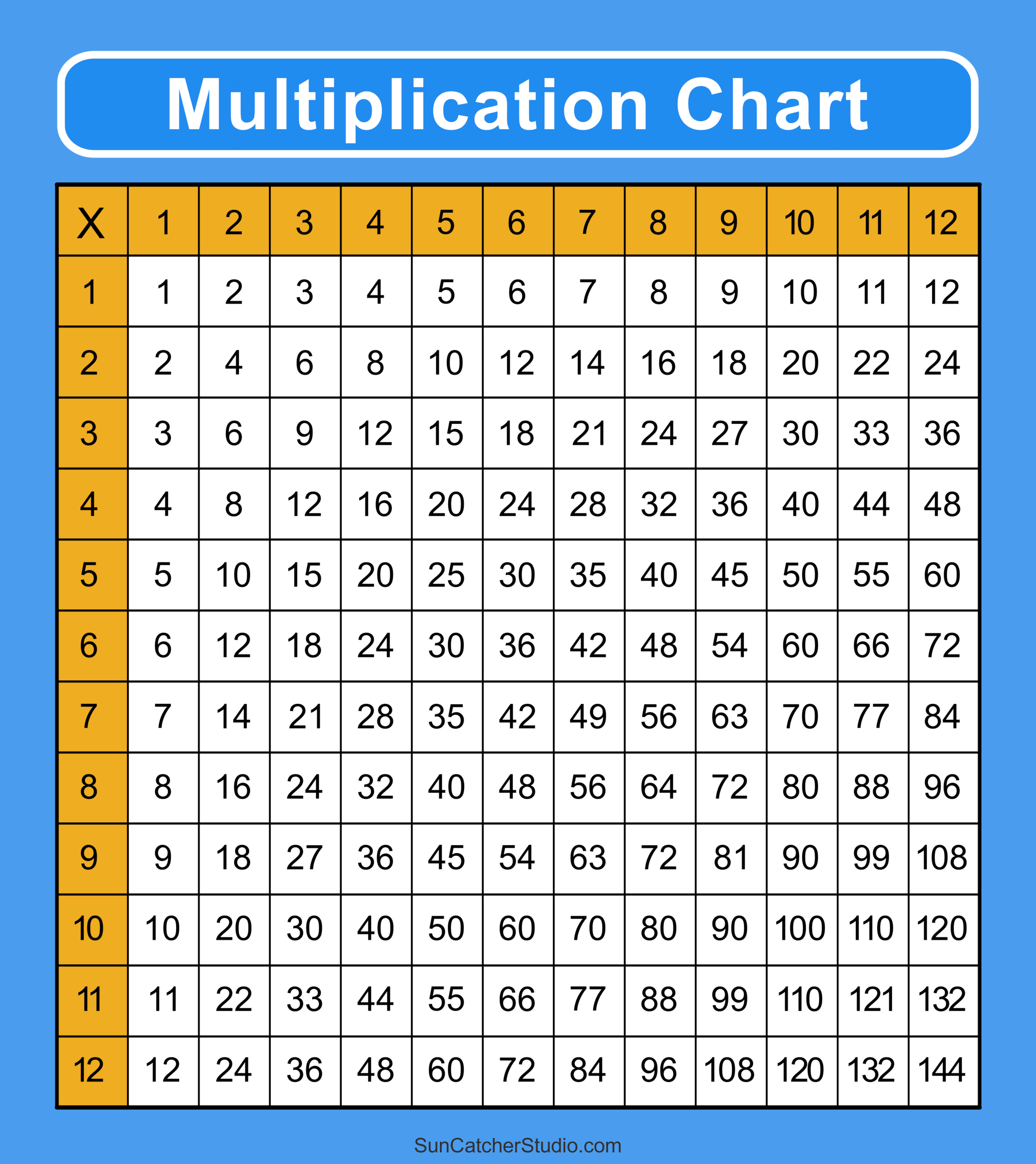
A 7th Grade Printable Multiplication Chart is a structured grid that displays multiplication facts for numbers typically ranging from 1 to 12. It is designed for students who are in or approaching 7th grade, providing a quick reference to help them solve multiplication problems confidently. This chart can come in various formats, including colorful designs or simple black-and-white versions, allowing you to choose one that suits your child’s preferences.
Having a multiplication chart on hand is especially useful for visual learners. The chart organizes information in a way that makes it easy to locate answers quickly. For example, if your child needs to multiply 7 by 8, they can quickly find the intersection of row 7 and column 8 to see that the answer is 56.
When to Use the Multiplication Chart
Using a multiplication chart effectively depends on your child’s learning needs. Here are some key moments when this resource can be particularly beneficial:
- Homework Assistance: Encourage your child to refer to the chart when they encounter multiplication problems in their homework. This can help them become more independent and build confidence in their abilities.
- Study Sessions: Integrating the chart into regular study sessions can reinforce their learning. You can quiz them on multiplication facts, allowing them to use the chart as a reference until they memorize the facts.
- Test Preparation: In the weeks leading up to a math test, having the chart available can serve as a reminder of the multiplication facts they need to know. It’s a great way to ease anxiety and ensure they have the tools they need to succeed.
How to Fill Out the Chart
While many printable multiplication charts come pre-filled with the correct answers, you might find it helpful for your child to create their own. This process can deepen their understanding of multiplication. Here’s how you can guide them through filling out the chart:
- Start with Simple Facts: Have your child begin by filling in the products of numbers they are most familiar with, such as 1 through 5. This builds confidence before moving on to more challenging numbers.
- Use Color Coding: If your child enjoys visual learning, suggest using different colors for different number sets. For example, they could use one color for the 2s, another for the 3s, and so on. This not only makes the chart visually appealing but also helps them associate colors with specific multiplication facts.
- Practice Regularly: Encourage your child to practice writing out the multiplication facts for each number. This repetition will help solidify their understanding of the concepts.
Presentation Quality Matters
When it comes to using a printable multiplication chart, the quality of the printed resource can affect its effectiveness. Here are a few tips on how to ensure your chart is well-presented and durable:
- Paper Type: For longevity, consider printing the chart on cardstock. This thicker paper can withstand handling better than regular printer paper, especially if your child will be referring to it frequently.
- Size Matters: A standard size of 8.5 x 11 inches is manageable for most notebooks and desks, but if you have space, a larger version (like 11 x 17 inches) may be easier for your child to read and reference.
- Lamination: If you want the chart to last through the school year, consider laminating it. This will protect it from spills, tears, or crumples and allow your child to use dry-erase markers on it for practice.
Incorporating the Chart Into Daily Learning
To maximize the benefits of the 7th Grade Printable Multiplication Chart, you can weave it into your child’s daily learning routine. Here are some strategies to consider:
- Daily Review: Set aside a few minutes each day for your child to review the multiplication chart. This can be a fun way to start homework time or as a break in between subjects.
- Games and Challenges: Create games around the multiplication chart. For instance, you could turn it into a race to see how quickly they can find the product of specific numbers. Friendly competition can make learning more engaging.
- Real-Life Applications: Help your child see the relevance of multiplication in everyday life. Involve them in cooking, budgeting, or shopping scenarios where they can apply their multiplication skills using the chart.
Tracking Progress and Understanding Mastery
One of the most important aspects of using a multiplication chart is tracking your child’s progress. Here are ways to assess their mastery of multiplication facts:
- Regular Quizzes: Create short quizzes based on the multiplication chart. Keep track of which facts your child struggles with, and focus on those areas in future study sessions.
- Set Goals: Work with your child to set achievable goals for mastering certain multiplication facts each week. For example, they might aim to master the 7s this week and the 8s next week.
- Celebrate Success: When your child reaches a new level of understanding or masters a set of facts, celebrate their success! This could be as simple as a high-five or a small reward, reinforcing their hard work.
By following these tips and strategies, you can help your child effectively use the 7th Grade Printable Multiplication Chart to enhance their learning experience. With consistent practice and the right approach, mastering multiplication can become not just achievable but also enjoyable.
This resource is more than just a chart; it’s a stepping stone toward greater confidence and competence in math. With your support and encouragement, your child can thrive in their mathematical journey, making the most of every opportunity to learn and grow.