Teaching measurement conversions can be challenging for many fifth graders. As a supportive parent, I understand the struggle of ensuring that our kids grasp these concepts. That’s where the Customary Conversion Chart 5th Grade Printable comes in. This resource not only simplifies the learning process but also serves as a handy reference for students. Let’s explore how to effectively use this printable chart in your child’s learning routine.
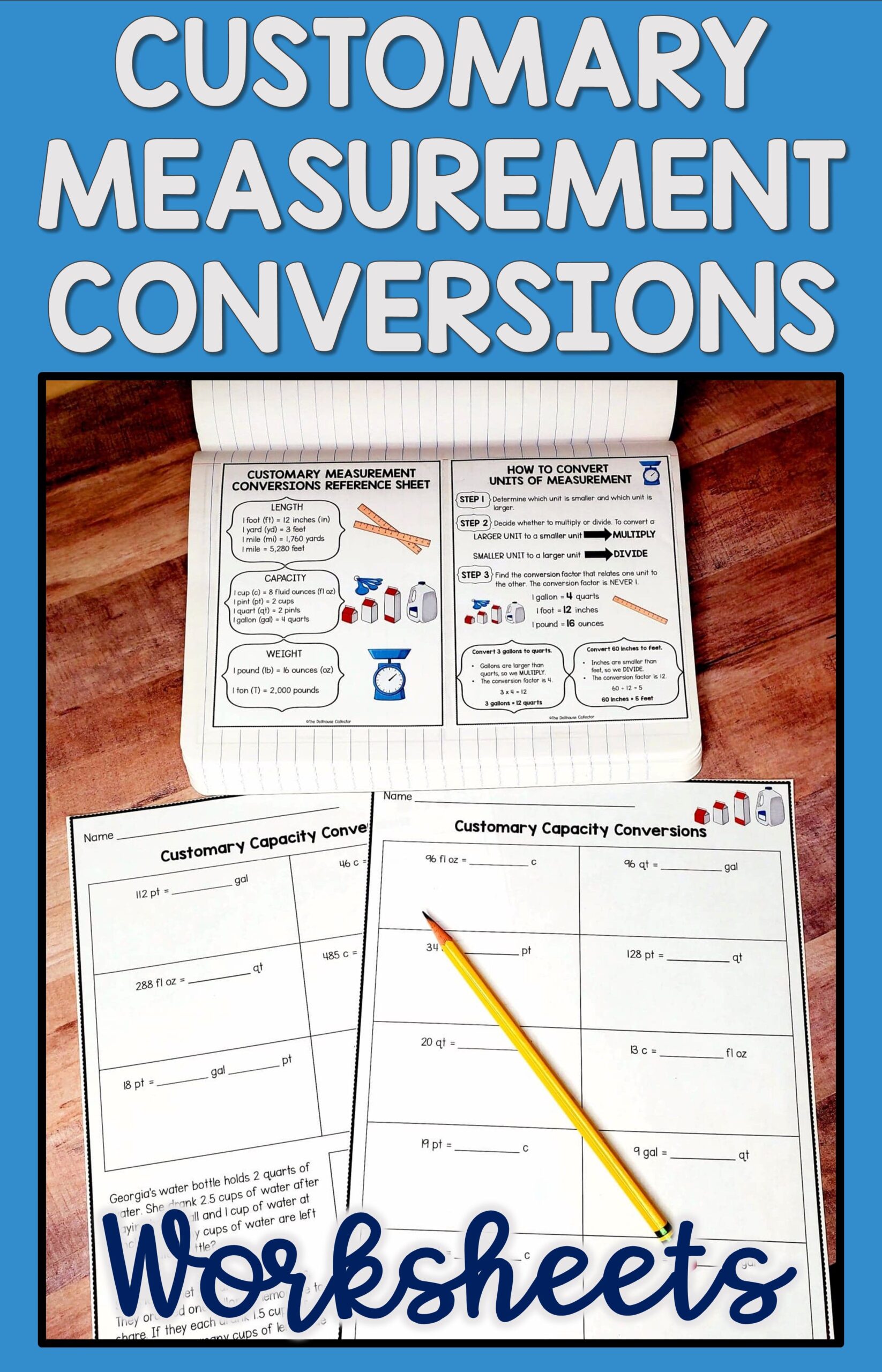
Understanding the Customary Conversion Chart
A customary conversion chart is a valuable tool that lists various measurement units in the customary system, such as inches, feet, yards, ounces, pounds, and gallons. This chart helps students quickly convert between these units, making it easier for them to understand and apply measurement concepts in their daily lives.
For example, knowing that 12 inches equal 1 foot or that 16 ounces make up 1 pound is essential for fifth graders as they tackle math problems and real-world situations. The chart serves as a concise summary of these essential conversions, enabling students to refer back to it whenever they need help.
How to Download and Print the Chart
Getting your hands on the Customary Conversion Chart 5th Grade Printable is straightforward. Here’s how you can do it:
- Choose the Right Format: Most printable resources come in PDF format. This is the best choice since it preserves the formatting and ensures that the chart prints clearly.
- Download the Chart: Look for a download button or link on the website offering the chart. Click it, and the file should start downloading automatically to your device.
- Print Settings: When you’re ready to print, make sure to adjust your printer settings. I recommend using portrait layout, which typically works best for home printers. Choose a standard paper size, such as 8.5” x 11”, for easy handling.
- Paper Quality: If you plan to have your child use the chart frequently, consider printing it on cardstock. It’s sturdier and holds up better over time, especially if you laminate it for durability.
Setting Up the Chart for Use
Once you have the Customary Conversion Chart printed, it’s time to set it up for usage. Here are some practical steps to help integrate it into your child’s learning:
- Display it Prominently: Find a spot in your home where the chart can be easily seen, such as on the refrigerator or in your child’s study area. This visibility encourages regular reference.
- Reference During Homework: Encourage your child to use the chart while doing math homework. This practice helps reinforce their understanding of conversions and builds their confidence when solving problems.
- Incorporate it into Daily Life: Use real-life scenarios to practice conversions. For example, when cooking, ask your child how many cups are in a quart or how many ounces are in a pound. This helps them see the practical application of what they’re learning.
- Review Together: Periodically review the chart with your child. You can quiz them on conversions or challenge them to come up with their own examples. This interactive approach makes learning fun.
Common Mistakes to Avoid
While using the Customary Conversion Chart, there are a few common pitfalls to be aware of:
- Rushing Through Conversions: Remind your child to take their time when converting measurements. Rushing can lead to mistakes, especially with similar units.
- Forgetting to Label Units: It’s easy to forget to label units when writing answers. Encourage your child to always include the unit of measurement in their responses to avoid confusion.
- Not Using the Chart Enough: Some children may be hesitant to use the chart, thinking they should memorize everything. Remind them that it’s okay to refer to the chart until they feel comfortable with conversions.
- Ignoring Decimal Conversions: Make sure your child understands how to handle decimal points in conversions. For instance, if they’re converting feet to inches, they need to be aware that 1.5 feet equals 18 inches.
Additional Resources for Learning
While the Customary Conversion Chart is a fantastic tool, supplementing it with other resources can further enhance your child’s understanding. Here are some suggestions:
- Worksheets: Look for printable worksheets that focus on measurement conversions. These can provide practice problems to reinforce the concepts.
- Online Games: Explore educational websites that offer interactive games related to measurement. These can make learning more engaging and enjoyable.
- Real-Life Projects: Involve your child in projects that require measurements, such as building a birdhouse or cooking a recipe. This hands-on experience can solidify their understanding.
- Flashcards: Create flashcards with different conversion facts. This method can be a fun way for your child to quiz themselves or for you to help them study.
By integrating the Customary Conversion Chart 5th Grade Printable into your child’s study routine and surrounding it with supportive resources, you can foster a deeper understanding of measurement conversions. This not only aids in their current studies but also equips them with skills they’ll use throughout their lives.
So, go ahead and print that chart! Encourage your child to explore measurements with confidence, knowing they have a reliable resource at their fingertips.