Understanding behavior in children can be tricky. As parents, we often find ourselves puzzled by our little ones’ actions, wondering what drives them to act in certain ways. This is where the Antecedent Behavior Consequence Chart Printable comes in handy. This resource provides a structured approach to observing and documenting behaviors, making it easier for you to identify patterns and respond effectively. Let’s look at how this printable can be a game-changer in your parenting toolkit!
What Is an Antecedent Behavior Consequence Chart?
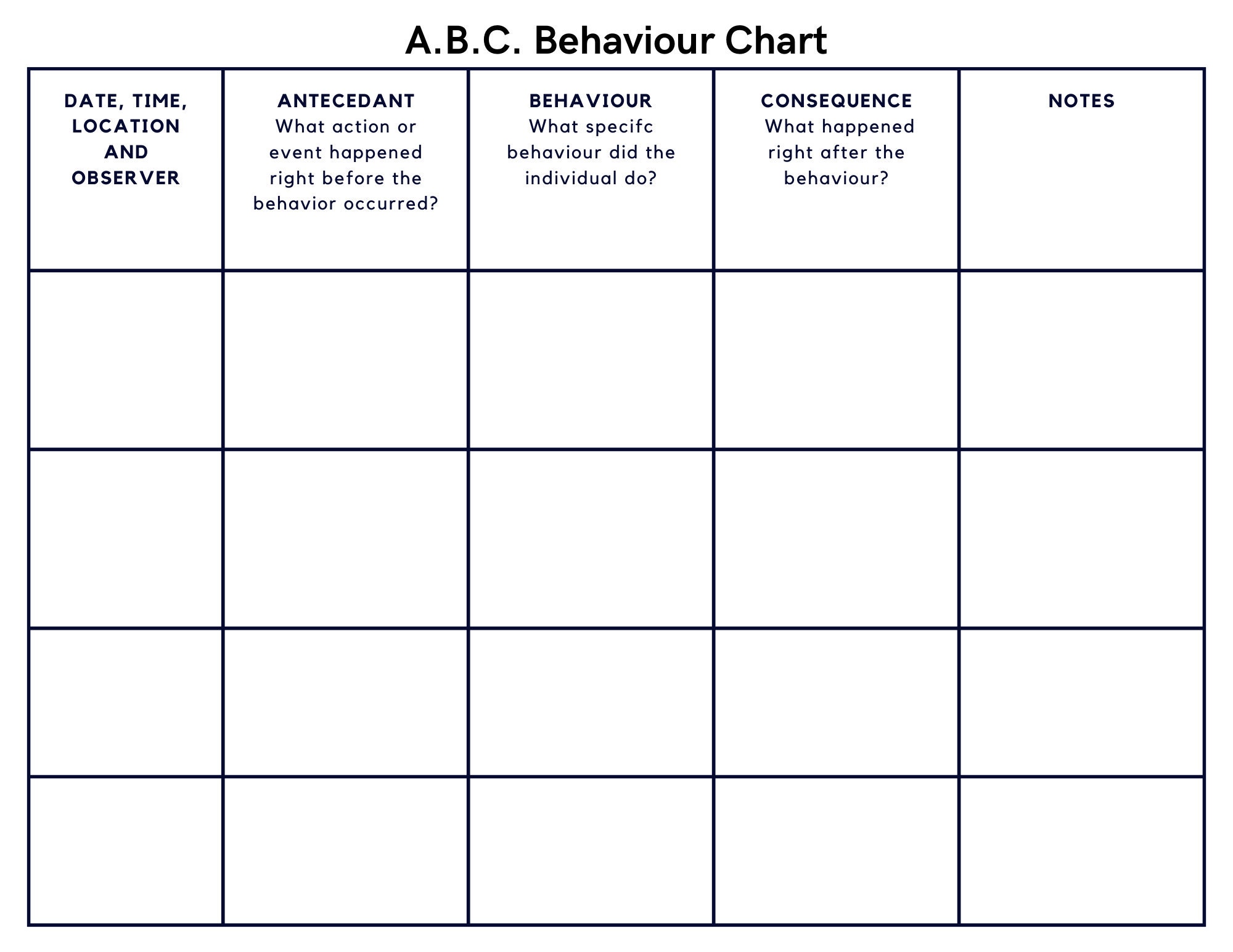
An Antecedent Behavior Consequence Chart (ABCC) is a tool used to analyze behavior by recording what happens before (the antecedent), the behavior itself, and the consequence that follows. This three-part structure helps illuminate the relationship between actions and their triggers, which is essential for understanding behavior in children.
When you’re using an Antecedent Behavior Consequence Chart Printable, you’re essentially creating a visual representation of behavior patterns. This can be particularly useful for parents and educators who want to address challenging behaviors proactively rather than reactively. The layout typically consists of three columns, each designated for antecedents, behaviors, and consequences.
How to Use the Antecedent Behavior Consequence Chart Printable
Setting Up Your Chart
Before you start filling in your chart, it’s important to have a clear understanding of what to document. Here’s how to prepare:
- Print the Chart: Download and print your Antecedent Behavior Consequence Chart Printable. Make sure to use standard letter-sized paper (8.5” x 11”), as this size is most compatible with home printers.
- Gather Supplies: You’ll need pens or colored markers for easy visibility. If you want to keep the chart long-term, consider using cardstock, which is sturdier and can withstand frequent handling.
- Choose Your Timeframe: Decide if you want to observe behaviors over a single day, a week, or longer. A longer observation period can provide more comprehensive data.
Filling Out the Chart
Now, let’s get into the nitty-gritty of filling out your chart. Each section serves a distinct purpose:
- Antecedent: This column is for noting what happened just before the behavior. Was there a specific event that triggered your child’s reaction? For example, did they get frustrated when their favorite toy was taken away? Write down every detail, as this context is crucial for understanding the behavior.
- Behavior: Here, you’ll document the specific behavior you’re observing. Be as objective as possible. Instead of saying, “He was bad,” write “He threw a toy.” This specificity will help you analyze the behavior accurately later on.
- Consequence: Finally, record what happened immediately after the behavior. Did you give in to a demand? Did they receive a time-out? This is key to understanding how behaviors are reinforced or discouraged.
Analyzing Your Data
Once you’ve filled out the Antecedent Behavior Consequence Chart Printable over a set period, it’s time to analyze the data. Look for patterns in the antecedents and consequences. Here are some questions to guide your analysis:
- Are there specific triggers that consistently lead to the behavior?
- Do certain consequences reinforce the behavior more than others?
- Is there a pattern in time of day or environment where the behavior occurs?
This analysis can help you identify the root causes of behavior, which in turn allows you to develop strategies for addressing them.
Strategies for Addressing Behaviors
With your data in hand, you can now tailor your approach to better support your child. Here are a few strategies based on common findings:
- Modify Antecedents: If you notice that certain situations consistently lead to challenging behavior, try to modify those antecedents. For example, if your child gets upset when they’re asked to clean up their toys, break the task into smaller, more manageable steps.
- Change Consequences: If certain consequences seem to reinforce unwanted behavior, consider switching them up. If giving in leads to more tantrums, try ignoring the behavior or offering a positive alternative instead.
- Teach Coping Skills: If your child struggles with frustration, teach them coping strategies to manage their emotions. Tools like deep breathing, counting to ten, or using a stress ball can be effective.
Incorporating the Chart Into Your Routine
To make the most out of your Antecedent Behavior Consequence Chart Printable, consider incorporating it into your daily routine. Here are a few ideas:
- Daily Reviews: Set aside time each day to review the chart. This will not only help you stay on top of behaviors but also reinforce your commitment to understanding and supporting your child.
- Involve Your Child: Depending on their age, involve your child in the process. Discuss the behaviors and consequences together, helping them understand the connection between their actions and outcomes.
- Adjust as Needed: Don’t hesitate to tweak your chart or your approach as you gather more data. Flexibility is key to finding what works best for your family.
Where to Find More Resources
If you find the Antecedent Behavior Consequence Chart Printable helpful, you might want to explore other printable resources that can further assist you in behavior management. Here are a few to consider:
- Behavior Tracking Sheets: These can help monitor specific behaviors over time.
- Reward Charts: Encourage positive behavior by tracking achievements and offering rewards.
- Daily Planners: Help your child organize their day, reducing anxiety and behavioral triggers.
Each of these tools can complement your ABCC and provide a more rounded approach to behavior management.
Choosing the Right Format for Your Needs
When it comes to printing your Antecedent Behavior Consequence Chart Printable, consider the format that works best for you. Here are a couple of options:
- Portrait vs. Landscape: Portrait layout is standard and fits well on most bulletin boards or in binders. Landscape may offer more space for writing and is easier for group discussions.
- Color vs. Black and White: Color charts can be visually more engaging, but black and white saves on ink. Choose based on your preference and what keeps you motivated to use the chart regularly.
Using the Antecedent Behavior Consequence Chart Printable can transform how you approach behavior management in your home. By understanding the relationship between triggers, actions, and consequences, you can foster a more supportive environment for your child. Whether you’re tackling everyday challenges or more complex behavioral issues, this tool provides a solid foundation for positive change.