Keeping track of medications for your family can be a daunting task, especially if you have multiple prescriptions or over-the-counter medicines to manage. A Home Use Printable Medication Chart can help streamline this process, making it easier for you to monitor dosages, schedules, and any special instructions. This chart serves as a visual reference, ensuring that you and your family stay organized and informed about your health needs.
Understanding the Layout of the Medication Chart
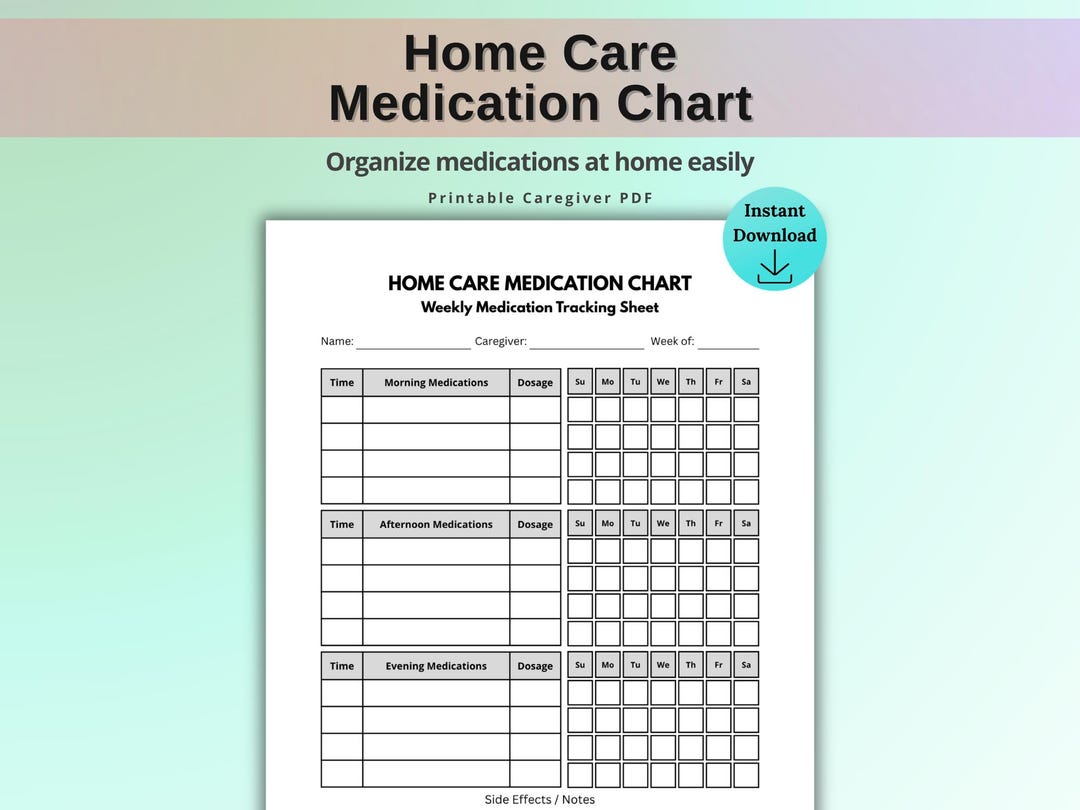
A well-designed Home Use Printable Medication Chart typically features several key sections that are crucial for effective tracking. Most charts will include:
- Patient Information: This section usually has space for the name, date of birth, and any relevant medical conditions of the person taking the medications.
- Medication Details: Here, you’ll find fields for the medication name, dosage, frequency, and the prescribing doctor.
- Administration Times: A dedicated space allows you to note what time each medication should be taken, which is especially useful for those with strict schedules.
- Notes: This section is perfect for any additional information, such as possible side effects or special instructions from your healthcare provider.
Each field is designed to give you a comprehensive overview of your medication regimen at a glance.
Filling Out the Chart: A Step-by-Step Guide
When you first receive your Home Use Printable Medication Chart, it might seem overwhelming. However, filling it out can be straightforward if you approach it step by step:
- Gather Your Information: Before you start, collect all relevant medication bottles and prescriptions. You’ll need the name of the medication, dosage, frequency, and any special instructions.
- Start with Patient Information: Write in the patient’s name and date of birth at the top of the chart. This ensures you can easily reference who the medications are for, especially if you’re managing charts for multiple family members.
- Enter Medication Details: For each medication, fill in the name, dosage, and frequency. It’s crucial to double-check these details against the prescription label to avoid any mistakes.
- Log Administration Times: Depending on your family’s routine, note the best times for each medication. For instance, some medications are best taken with food, while others may need to be taken on an empty stomach.
- Add Notes: Utilize the notes section for anything else that might be relevant. This could include reminders for refills, potential side effects, or specific instructions from your physician.
- Review and Adjust: Once filled out, take a moment to review the chart. Make sure everything is clear and legible. You might want to highlight important sections or use stickers to mark when medications have been taken.
Where to Use Your Medication Chart
The Home Use Printable Medication Chart can be used in various settings to enhance your family’s medication management:
- At Home: Place the chart in a visible location, such as on the refrigerator or inside a kitchen cabinet. This keeps it accessible during meal times when medications may need to be taken.
- In the Medicine Cabinet: Store the chart with your medications to keep everything in one place. This also serves as a quick reference when reviewing what’s available.
- During Medical Appointments: Bring the chart along to doctor visits. It can provide a clear overview of what medications are currently being taken, which can help healthcare providers make informed decisions.
Tips for Maintaining Your Medication Chart
Keeping the Home Use Printable Medication Chart up to date is crucial for its effectiveness. Here are some tips to help you maintain it:
- Regular Updates: Make it a habit to review and update the chart whenever there’s a change in medications. This could be due to new prescriptions, discontinuation of others, or changes in dosages.
- Color Coding: Consider using colored pens or highlighters to differentiate between various medications or to mark refills. This visual aid can make it easier to quickly identify important information.
- Digital Backups: If you prefer a digital version, consider scanning or taking a picture of your filled chart for easy access on your smartphone or tablet. This can be especially handy when you’re out and about.
The Benefits of Using a Medication Chart
Utilizing a Home Use Printable Medication Chart provides several benefits:
- Increased Organization: By having all your family’s medications organized in one place, you reduce the chances of forgetting doses or accidentally administering the wrong medication.
- Enhanced Communication: This chart can serve as a communication tool among family members, caregivers, and healthcare providers. Everyone stays informed about what medications are being taken and when.
- Improved Health Outcomes: Keeping track of medications helps ensure adherence to prescribed regimens, which can lead to better health outcomes and fewer complications.
Choosing the Right Format for Your Needs
When selecting your Home Use Printable Medication Chart, consider the format that best suits your family’s needs.
- Size: Standard letter size (8.5 x 11 inches) is ideal for printing and fits well in most folders. However, if you need something more portable, consider a half-sheet (5.5 x 8.5 inches) version that can easily be tucked into a planner.
- Design: Some charts provide a more visual layout, which can be beneficial for younger family members or those who may struggle with reading. Alternatively, a straightforward design might be preferable for adults who want a no-frills approach.
- Paper Type: If you plan on using markers or highlighters, opt for cardstock or a heavier paper that can withstand wear and tear. If you want to laminate it for repeated use, ensure you print on a material compatible with lamination.
By thoughtfully considering these aspects, you can create a medication tracking system that works best for your family.