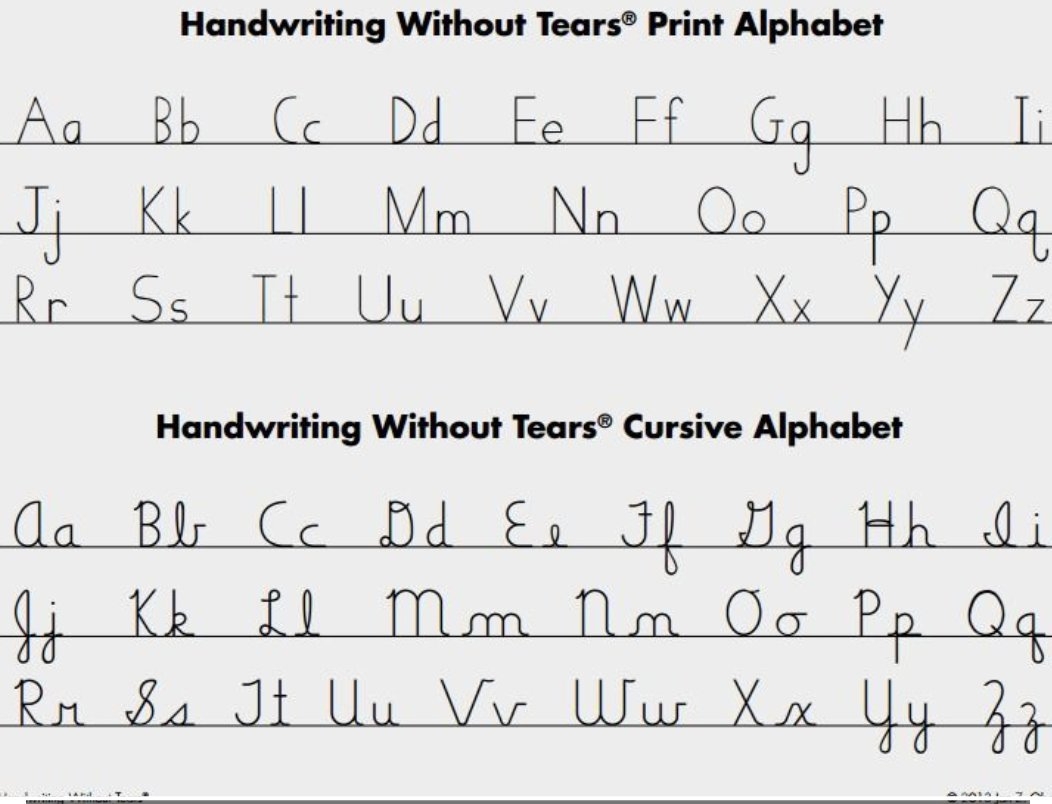
Learning cursive handwriting can be a challenging yet rewarding experience for children. The Cursive Handwritting Without Tears Printable Chart stands out as a fantastic tool tailored to ease this process. Unlike many other resources, this chart is designed specifically to help young learners develop their cursive writing skills in a structured, engaging manner. It provides clear, visual guidance which makes the practice not just effective but also enjoyable.
Understanding the Layout of the Chart
The Cursive Handwritting Without Tears Printable Chart features a user-friendly layout that incorporates various sections for different cursive letters and letter combinations. The chart typically includes:
- Individual Letter Sections: Each letter is presented in both uppercase and lowercase forms.
- Example Words: Sample words that begin with each letter are also provided to give context and encourage word formation.
- Guidelines: Faint blue lines guide where children should begin and end each letter stroke, making it easier for them to understand proper letter formation.
This layout is not just visually appealing; it effectively organizes the information so that children can easily follow along. The clear separation of letters allows for focused practice on each character without overwhelming them.
How to Use the Chart Effectively
To get the most out of the Cursive Handwritting Without Tears Printable Chart, follow these steps:
- Print the Chart: Use a standard 8.5” x 11” paper size for easy handling. If you plan on using it frequently, consider printing it on cardstock for durability.
- Set Up a Writing Space: Create a comfortable and distraction-free area for your child to practice. A flat surface with good lighting can make a significant difference.
- Begin with Individual Letters: Start by having your child trace each letter. Encourage them to say the letter name and sound aloud while writing. This multi-sensory approach reinforces learning.
- Incorporate Words: Once they feel confident with individual letters, move on to the example words. This transition helps them see how letters come together to form words.
- Regular Practice: Consistency is key. Set aside a few minutes each day for handwriting practice. This routine helps reinforce their skills and builds confidence.
- Positive Reinforcement: Celebrate small victories. Whether it’s a perfectly formed letter or a completed word, positive feedback can encourage your child to keep practicing.
Choosing the Right Paper and Tools
When using the Cursive Handwritting Without Tears Printable Chart, the type of paper and writing tools you choose can affect the practice experience. Here are a few tips:
- Paper Choice: As mentioned, cardstock can withstand frequent use better than regular printer paper. If you plan to laminate the chart for repeated use, ensure it fits your laminator’s size.
- Writing Tools: Encourage your child to use pencils for initial practice, as they can easily erase mistakes. Once they gain confidence, you can introduce colored pencils or gel pens to make the experience more enjoyable and visually engaging.
Integrating the Chart Into Daily Learning
Integrating the Cursive Handwritting Without Tears Printable Chart into your child’s daily routine can significantly enhance their learning experience. Here are some ideas:
- Morning Routine: Incorporate a short handwriting session into your morning routine. Just 5-10 minutes can make a big difference over time.
- Homework Help: Use the chart as a reference when your child has homework that requires writing. This can help reinforce their learning in a practical context.
- Creative Writing: Encourage your child to write short stories or letters using cursive. They can refer back to the chart for guidance on letter formation, making writing feel more meaningful and fun.
Addressing Common Challenges
Learning cursive can come with challenges, and being prepared can help you support your child effectively. Here are some common issues and potential solutions:
- Frustration with Letter Formation: If your child struggles with a particular letter, spend extra time on that specific section of the chart. You can also break the letter down into smaller strokes, which can make it easier to master.
- Loss of Interest: If your child becomes disinterested, try to incorporate fun activities that utilize cursive writing, such as creating personalized greeting cards or writing to family members.
- Physical Comfort: Ensure that your child is using proper posture and grip. Sometimes, discomfort can lead to frustration, so adjustments in their seating or writing grip can make a big difference.
The Cursive Handwritting Without Tears Printable Chart is an invaluable resource for parents looking to support their child’s handwriting journey. The structured layout, combined with practical tips and strategies, makes it easier to incorporate cursive writing practice into daily routines. Remember to keep the experience positive and engaging, as this will foster a lifelong appreciation for writing. One last detail to consider is the use of high-quality paper for printing; using a heavier weight can enhance the tactile experience for your child, making writing more enjoyable.