Keeping track of your family’s vision health is essential, especially as kids grow and their eyesight can change rapidly. A Printable Eye Chart Vision Test is a simple yet effective tool that can help you monitor vision changes right from the comfort of your own home. It’s not only convenient but also a great way to make vision testing a fun and engaging activity for your little ones.
Understanding the Printable Eye Chart Vision Test
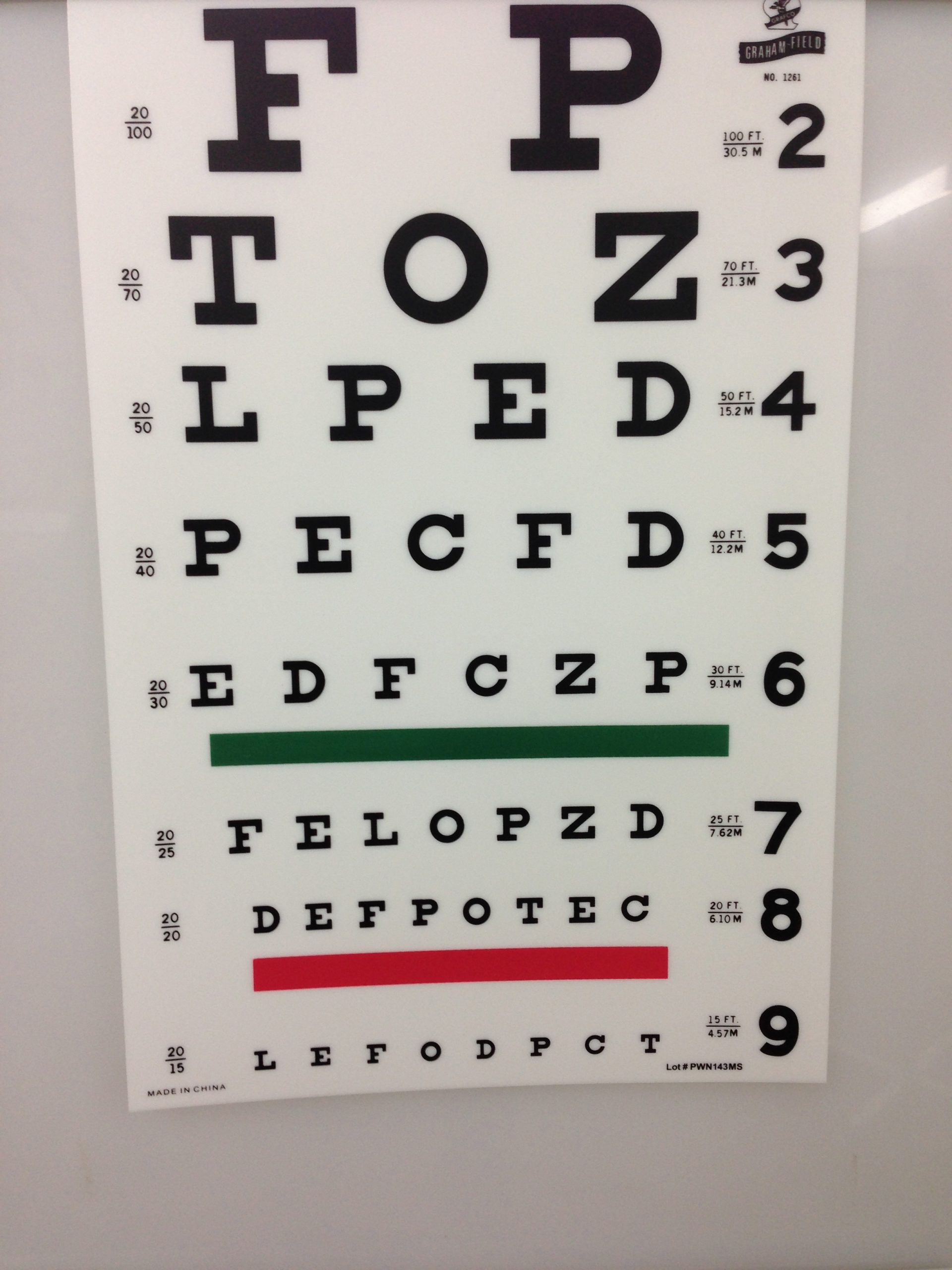
Before diving into the specifics of using the eye chart, it’s important to understand what it is. The eye chart typically consists of letters or symbols arranged in rows, gradually decreasing in size. The goal is to read the smallest line possible from a set distance, usually 20 feet for adults, and 10 feet for children.
This test is designed to measure visual acuity, which is a key aspect of vision health. Performing this test regularly can help you track any changes in your family members’ eyesight, making it easier to know when to consult an eye care professional.
Choosing the Right Eye Chart
When selecting your Printable Eye Chart Vision Test, consider the following factors:
- Age Appropriateness: Some charts are designed specifically for children, using pictures or larger letters that are easier for them to recognize. If you have younger kids, look for charts that suit their developmental stage.
- Format: Most eye charts are available in PDF format, which is ideal for printing. Ensure that the chart you choose is high-resolution to avoid any blurriness when printed.
- Size of the Chart: Depending on your available space, you might want to print a larger chart for easier visibility or a smaller one for a more portable option.
Downloading and Printing Your Eye Chart
Once you’ve chosen the right eye chart, the next step is to download and print it. Here’s a step-by-step guide:
- Download the Chart: Click on the link to download the eye chart file. Make sure you save it in an easily accessible location on your computer.
- Check the Print Settings: Open the file and check the print settings. Make sure to select “Actual Size” or “100%” to ensure the chart prints at the correct dimensions. This is crucial because printing at a different scale can affect the accuracy of the test.
- Choose Your Paper: For best results, print on standard 8.5 x 11-inch paper. If you plan to use the chart frequently, consider using cardstock for durability.
- Print: Hit print and wait for your chart to come out. If your printer has a portrait or landscape mode, portrait usually works best for eye charts.
Setting Up for the Test
To effectively use the Printable Eye Chart Vision Test, you need to create an optimal testing environment. Here’s how:
- Distance: Place the chart at the recommended distance. For adults, this is typically 20 feet, while children can be tested from 10 feet. If space is limited, you can scale down the distance, but be sure to adjust your expectations accordingly.
- Lighting: Ensure the room is well-lit but avoid glare on the chart. Natural light works best, but if you’re indoors, use soft, even lighting.
- Positioning: Have the person being tested stand or sit behind a line marked at the correct distance. You can use tape or a ruler to mark this spot to ensure consistency.
Conducting the Vision Test
Now that everything is set up, it’s time to conduct the test. Here’s a simple process to follow:
- Cover One Eye: Use an eye patch or simply have the person cover one eye with their hand. This helps to isolate each eye’s performance.
- Start at the Top: Begin with the largest letters at the top of the chart. Encourage the person to read each line aloud.
- Record Results: Note the smallest line they can read accurately. This will give you a baseline measurement of their vision. It’s helpful to create a simple chart to track results over time.
Tracking Progress and Understanding Results
Keeping track of the results from the Printable Eye Chart Vision Test is crucial. Create a simple log that includes the following:
- Date of Testing: This helps you keep a timeline of vision changes.
- Eye Tested: Record which eye was tested first.
- Line Read: Note the lowest line each family member could read accurately.
Regularly updating this log will help you notice trends over time, such as steady improvement or decline in vision. If you notice any significant changes, it may be a good idea to consult an eye care professional.
When to Seek Professional Help
Even with regular testing at home, there are times when it’s important to see an eye doctor. If you or your child consistently struggle to read the chart or notice any other symptoms like headaches or eye strain, don’t hesitate to book an appointment. Early intervention can often prevent more serious issues down the line.
Additional Resources and Tools
While the Printable Eye Chart Vision Test is a fantastic starting point, there are additional resources you might consider to further support your family’s vision health:
- Vision Tracking Worksheets: These can help you log results in a more structured way.
- Coloring Pages: Engaging kids with fun activities can help them develop their visual skills.
- Educational Materials: Look for resources that explain the importance of eye health in an age-appropriate manner.
By incorporating these tools, you can create a comprehensive approach to monitoring and maintaining your family’s vision health.
The most useful detail to remember is to always ensure the printed chart is at the correct size—this accuracy is essential for reliable testing results.