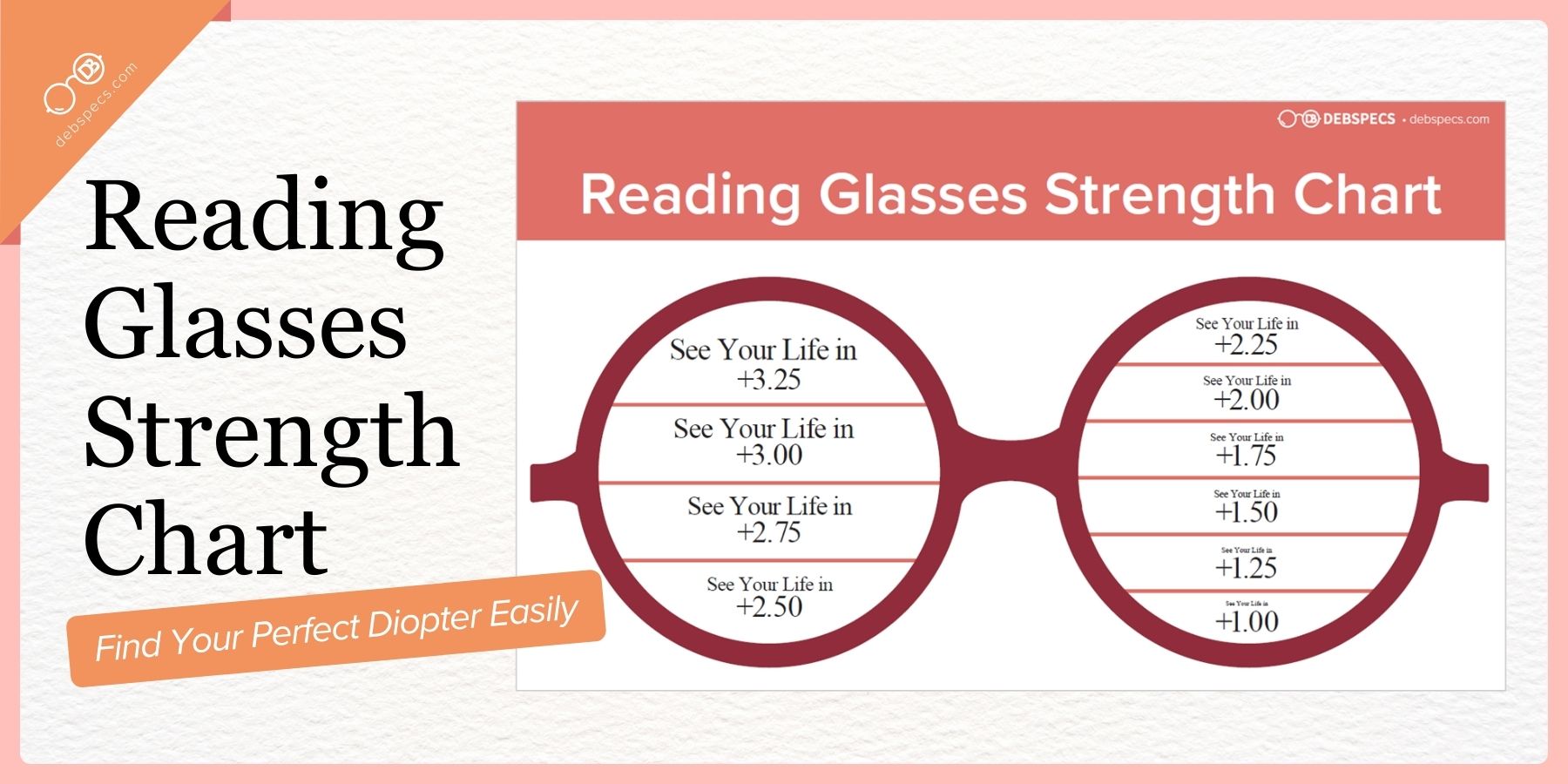
If you’re on the hunt for a handy tool to measure your eyesight, a Printable Diopter Chart For Reading Glasses is just what you need. It’s a simple yet effective resource that helps you determine the strength of lenses required for reading glasses. This chart is especially useful for anyone experiencing changes in vision, and it can be a great aid before you visit an optometrist. Let’s explore how to use this resource effectively, whether you prefer to print it out or fill it in digitally.
What is a Diopter Chart?
A diopter chart is a visual tool that helps assess your vision by using a scale to measure how well you see at varying distances. The diopter is a unit of measurement that indicates the optical power of a lens. In the context of reading glasses, the chart typically displays letters or symbols at different sizes, allowing you to gauge your prescription strength based on your ability to read them clearly.
You can find a Printable Diopter Chart For Reading Glasses online, which you can easily download and print. This chart is particularly useful for parents wanting to monitor their children’s vision over time or for adults noticing changes in their eyesight.
How to Use the Chart
Using a diopter chart is straightforward. Here’s a step-by-step guide to help you get the most out of your chart:
- Print the Chart: Download the chart from a reputable source and print it on a standard A4 or letter-size paper. If available, opt for a PDF version; it usually maintains formatting better than image files.
- Find the Right Space: Position the chart in a well-lit area, ensuring it’s at eye level. A wall or a large flat surface will work best to prevent any distortion.
- Distance Matters: Stand or sit approximately 20 feet away from the chart. If you’re using a smaller version, you might need to adjust the distance accordingly—typically around 10 feet works well for smaller charts.
- Cover One Eye: Start by covering one eye without pressing on it. This helps you focus more clearly on the letters.
- Read Aloud: Begin with the largest letters and work your way down. Read aloud to see how clearly you can see each letter. Mark the smallest line you can read accurately.
- Repeat with the Other Eye: Switch eyes and repeat the process. This will give you a clearer picture of your vision in both eyes.
- Take Notes: Write down the results for both eyes. This information can be useful for discussions with your eye care professional.
Digital Vs. Print Completion
When it comes to filling in the diopter chart, you have two main options: digital or print. Each method has its advantages:
Digital Completion
Filling in the chart digitally can be highly convenient. If you download a fillable PDF version, you can easily input your results without printing. This method is great for:
- Keeping a digital record of your vision tests over time.
- Easily sharing results with family or your eye doctor via email.
However, be mindful of the display settings; ensure your screen brightness is adjusted to avoid misreading the letters. It’s also good practice to use a quality monitor for accurate results.
Print Completion
On the other hand, printing the chart and filling it in by hand can have its benefits, too. Writing gives you a tangible record, which some people find easier to track. Plus, if you laminate the printed chart, you can use dry-erase markers to keep track of multiple tests. Here are some tips for printing:
- Use high-quality paper for durability, especially if you plan to use the chart multiple times.
- Consider cardstock if you want to laminate it later for repeated use.
- Portrait layout typically works best for home printers, ensuring all text appears clearly.
Where to Find Printable Diopter Charts
Many websites offer free Printable Diopter Charts For Reading Glasses. When searching for one, look for resources that include clear instructions and high-resolution images. Here are a few tips to find the best options:
- Check educational or optometric websites, as they often provide reliable and professionally designed charts.
- Look for user reviews or recommendations to ensure the chart’s quality.
- Ensure the chart is available in PDF format for best printing results.
Understanding Your Results
Once you’ve completed the chart test, it’s essential to interpret your results accurately. The smallest line you could read corresponds to the diopter strength you may need for reading glasses.
- Example: If you can read down to the line marked +2.00, this indicates you may need reading glasses with a +2.00 diopter strength.
- Keep in mind that this is a preliminary assessment. It’s always best to consult with an eye care professional for a comprehensive eye exam.
Tips for Maintaining Eye Health
While using a Printable Diopter Chart is a great way to test your vision, maintaining overall eye health is equally important. Here are some tips to keep your eyes in top shape:
- Regular Eye Exams: Schedule regular appointments with an eye care professional. They can provide a complete evaluation and detect any potential issues early.
- Proper Lighting: Ensure you have adequate lighting when reading or working on a computer. This reduces strain on your eyes.
- Limit Screen Time: Take breaks from screens every 20 minutes by looking at something 20 feet away for at least 20 seconds.
When to Seek Professional Help
If you notice any significant changes in your vision, such as difficulty reading or blurry vision that persists, it’s essential to seek professional help. A Printable Diopter Chart can provide some insight, but nothing beats a thorough examination by a qualified optometrist.
In summary, a Printable Diopter Chart For Reading Glasses is an invaluable tool for anyone looking to assess their vision. By following the steps outlined above, you can effectively use this resource to track your eyesight and better understand your needs before consulting with a professional.