Creating a clear path to understanding complex processes is essential, and that’s where a Printable Flow Chart Graphic Organizer comes into play. If you are a busy parent managing household tasks or a professional tackling projects, using this resource can simplify your planning and organization. In this article, I’ll guide you through the benefits, uses, and best practices for creating and utilizing flow charts effectively.
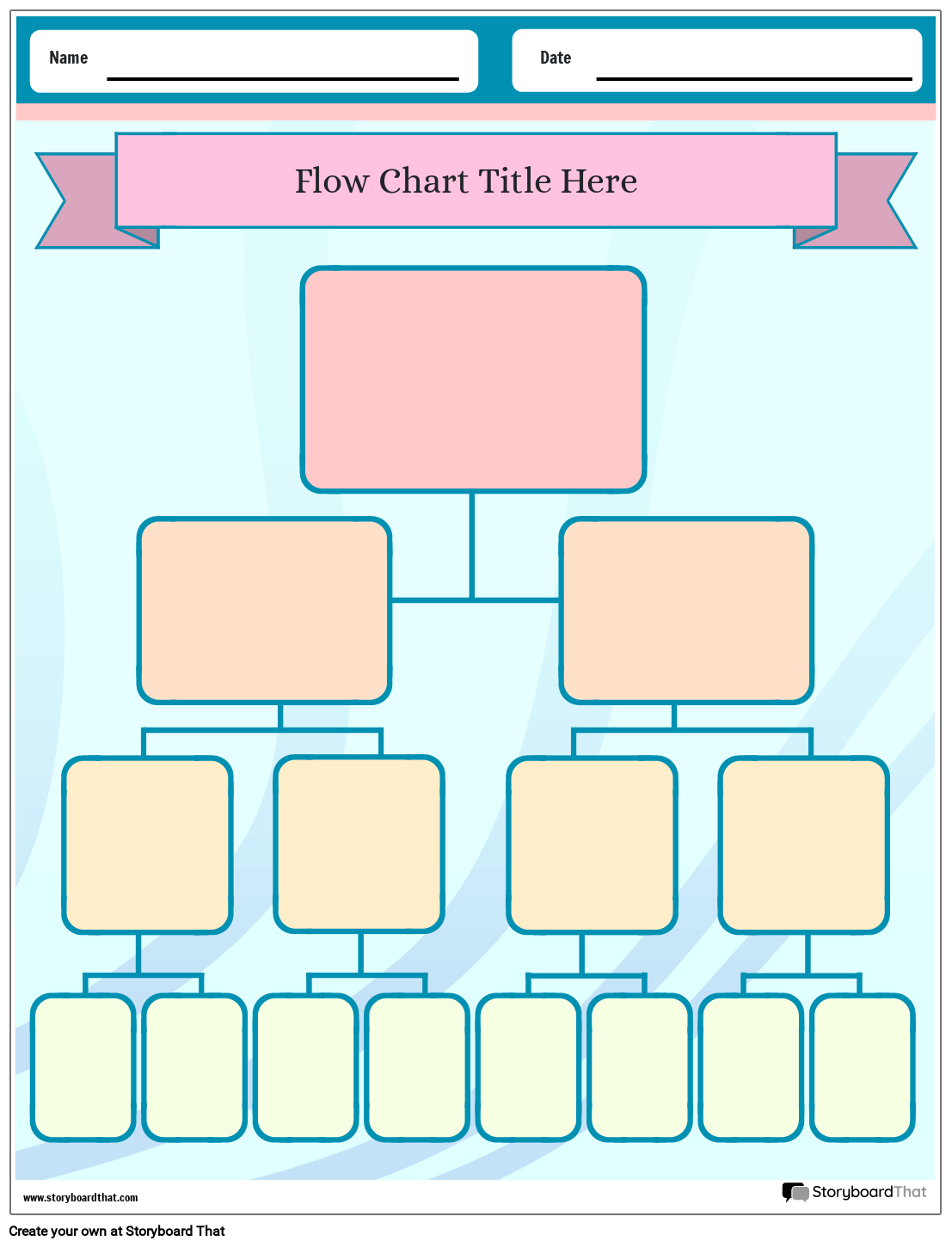
Understanding the Printable Flow Chart Graphic Organizer
A Printable Flow Chart Graphic Organizer is a structured tool that allows you to visualize information and processes clearly. It typically includes various shapes like rectangles, diamonds, and circles to represent different types of information or steps in a process. This visual layout helps in breaking down complex tasks into manageable parts, making it easier to follow and execute.
Who Can Benefit From Flow Charts?
Flow charts are versatile tools that cater to a wide range of audiences, including:
- Students: They can use flow charts to outline essays, study for exams, or map out projects.
- Teachers: Educators can create flow charts to explain concepts, illustrate lesson plans, or track student progress.
- Professionals: In the workplace, flow charts aid in project management, process optimization, and team collaboration.
- Parents: Organizing family activities, chore assignments, or meal planning can be simplified with flow charts.
By using this visual tool, you can enhance your understanding of tasks and improve communication with others involved.
How to Create Your Flow Chart
Creating a flow chart can be straightforward, especially when you have a clear plan in mind. Here are the steps to get started:
- Identify the Purpose: Determine what process you want to visualize. This could be anything from planning a family vacation to outlining a work project.
- Outline the Steps: Write down each step in the process. It’s helpful to do this in a linear format first before transferring it to the flow chart.
- Choose Your Format: You can create flow charts using various tools:
- Digital Tools: Software like Lucidchart, Microsoft Visio, or Google Drawings allows for easy online creation.
- Printable Templates: Download a pre-made template to fill in by hand or digitally.
- Design the Flow Chart: Begin arranging your steps using the appropriate shapes. Use arrows to indicate flow direction. Ensure that each step is clearly labeled.
- Review and Adjust: Once your flow chart is drafted, review it for clarity and completeness. Make any necessary adjustments to ensure it accurately represents the process.
Filling Out the Flow Chart: Digital Vs. Print
When it comes to utilizing your Printable Flow Chart Graphic Organizer, you have two main options: filling it out digitally or printing it for handwritten notes. Each method has its pros and cons.
Digital Completion
- Pros:
- Allows for easy editing and adjustments.
- Can be shared easily with others for collaboration.
- Saves paper and can be stored on multiple devices.
- Cons:
- May require software that not everyone has access to.
- Screens can be distracting, making it harder to concentrate.
Handwritten Completion
- Pros:
- Engaging physically with the chart can enhance memory retention.
- No need for digital devices or software.
- It can be a more personal touch, especially for brainstorming sessions.
- Cons:
- Once written, changes can be cumbersome.
- Handwriting may be less legible for others who need to read it.
You can decide which method works best for you based on your needs and preferences. Often, a combination of both is effective, especially when collaborating with others.
Practical Applications of Flow Charts
Flow charts can be used in various scenarios to enhance productivity and clarity. Here are some practical applications:
Project Management
In the professional realm, flow charts can help outline project timelines, responsibilities, and workflows. By mapping out each phase of a project, teams can visualize dependencies and identify potential bottlenecks.
Decision Making
When faced with multiple choices, a flow chart can help clarify the decision-making process. By laying out options and consequences, you can evaluate the best path forward based on logical reasoning.
Problem Solving
Utilizing a flow chart can assist in identifying the root causes of problems. By following the steps leading to an issue, you can better understand where things went off track and how to resolve them.
Daily Planning
For personal use, flow charts can streamline daily routines. Whether it’s organizing your week or planning a dinner party, visualizing tasks can make the process less overwhelming and more manageable.
Tips for Effective Flow Charts
To maximize the effectiveness of your Printable Flow Chart Graphic Organizer, keep these tips in mind:
- Keep it Simple: Avoid clutter. Too much information can make your flow chart confusing. Stick to the essentials.
- Use Color Coding: Different colors can represent different categories or stages, making it easier to follow.
- Be Consistent with Shapes: Use standard shapes for specific functions (e.g., ovals for start/end, rectangles for processes) to maintain clarity.
- Label Clearly: Ensure each section is labeled concisely to avoid ambiguity.
Downloading and Printing Your Flow Chart
Once you’ve created your flow chart, it’s time to download and print it. Here’s how to ensure a smooth process:
- Select the Right Paper Size: Most flow charts work well on standard A4 or letter-sized paper. If your chart is larger, consider using A3 paper for better visibility.
- Printer Settings: Set your printer to the appropriate quality settings. For best results, use a high-quality print option, especially if you’re using color.
- Test Print: It’s wise to do a test print on plain paper to check layout and clarity before using more expensive cardstock or specialty paper.
- Laminating: If you plan to reuse your flow chart, consider laminating it. This will make it more durable and allow you to use dry-erase markers for adjustments.
By following these steps, you can effectively create, download, and use your Printable Flow Chart Graphic Organizer to enhance your planning and organizational skills. Whether for personal projects or professional tasks, this tool can be a useful option in visualizing your goals and processes.