Using a Child’s Behavior Chart Printable can be a useful option for parents navigating the ups and downs of childhood behavior. Unlike generic charts that may not fit your family’s unique needs, this specific printable provides a structured way to monitor and encourage positive behavior in kids. It’s not just about tracking; it’s about fostering a sense of responsibility and rewarding good choices.
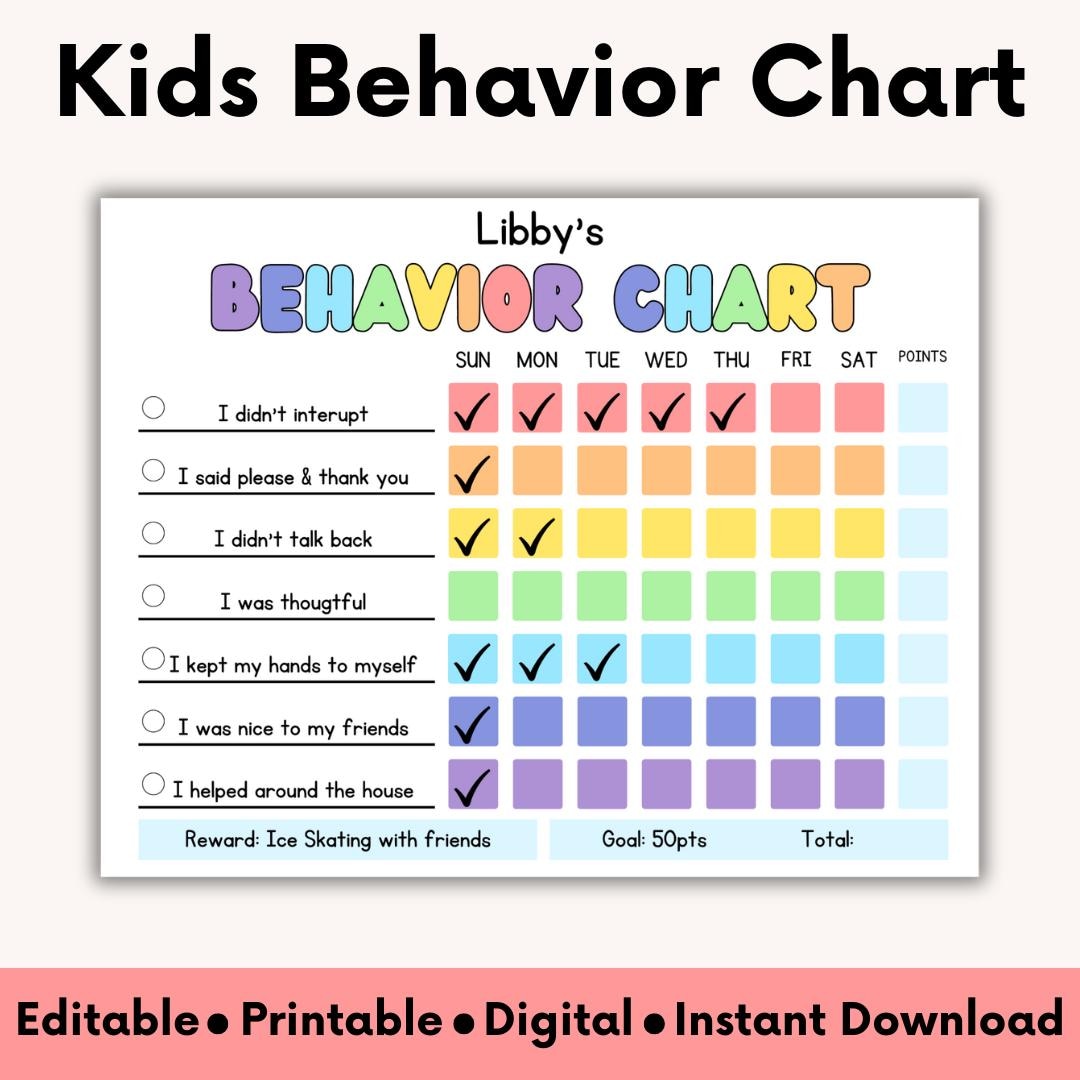
Understanding the Layout of the Behavior Chart
When you first look at the Child’s Behavior Chart Printable, you’ll notice its straightforward layout. Typically, it includes sections for the child’s name, the specific behaviors being tracked, and a reward system. This clarity makes it easy for both you and your child to understand what is expected.
- Child’s Name: This section personalizes the chart and makes your child feel involved.
- Behavior Categories: Common behaviors to track might include completing homework, helping with chores, or showing kindness. Clearly defining these categories helps set specific goals.
- Reward System: A space for rewards encourages children to strive for positive behavior. This could be stickers, extra playtime, or a small treat.
By structuring the chart this way, you create an engaging tool that visually represents progress, making it easier for your child to see their achievements.
How to Use the Child’s Behavior Chart Printable
Implementing the behavior chart starts with a few simple steps. First, download and print the chart on standard A4 or letter-sized paper for convenience. I suggest using cardstock if you plan to laminate it for durability. A laminated chart can be reused with dry-erase markers, making it a sustainable choice.
- Introduce the Chart: Sit down with your child and explain how it works. You can say something like, “This chart will help us remember how awesome you are when you help out at home!”
- Set Clear Expectations: Together, select which behaviors to track. Make sure your child understands what each behavior looks like. For example, if you choose “sharing toys,” clarify what sharing means in practice.
- Daily Check-Ins: At the end of each day, review the chart together. Mark any successes with a sticker or checkmark. This not only reinforces positive behavior but also fosters a routine of reflection.
- Reward System: Establish a reward system based on the number of checks or stickers earned. This could be a weekly treat after achieving a certain number of positive behaviors.
By following these steps, you’re not only using a chart; you’re creating a shared experience that builds positive habits and encourages communication.
Tips for Effective Usage
To maximize the effectiveness of your Child’s Behavior Chart Printable, consider the following tips:
- Keep It Visible: Hang the chart in a common area, like the kitchen or their bedroom, where it’s easy to see. This constant reminder helps reinforce the behaviors you’re tracking.
- Be Consistent: Consistency is key. Make sure to check the chart regularly and provide feedback. If you miss a day or two, don’t worry, just pick up where you left off.
- Celebrate Achievements: When your child reaches a reward milestone, celebrate! This can be a small family party or a simple acknowledgment of their hard work. Positive reinforcement can significantly boost their motivation.
- Adjust as Needed: If you notice certain behaviors are too easy or too challenging for your child, feel free to adjust the chart. It should grow and change alongside your child’s development.
Printing and Presentation Quality
When it comes to the practical aspects of printing your Child’s Behavior Chart Printable, consider the following:
- Paper Choice: Using high-quality paper can enhance the chart’s durability. Cardstock is a good option if you plan to laminate it.
- Printer Settings: If you’re using a home printer, make sure it’s set to the best quality for clear, vibrant colors. Portrait layout usually works best for charts, ensuring that everything is easy to read.
- Laminating: If you want to use the chart repeatedly, consider laminating it after printing. This allows you to use dry-erase markers for easy updates without needing to print a new chart each time.
These small details can make a big difference in how well the chart functions in your home.
Customization Options
One of the best features of a Child’s Behavior Chart Printable is its flexibility. You can customize it to fit your family’s unique needs:
- Add Custom Behaviors: If your child has specific goals, such as “reading for 20 minutes” or “keeping their room clean,” feel free to add these to the chart.
- Design Choices: Many printable resources offer various designs, from colorful and fun to simple and elegant. Choose one that resonates with your child to make it more engaging.
- Incorporate Visuals: If your child is younger or struggles with reading, consider adding visuals or icons next to each behavior. This makes the chart more accessible and engaging for them.
Customization not only makes the chart more effective but also allows your child to take ownership of their behavior tracking.
The Importance of Positive Reinforcement
Using a Child’s Behavior Chart Printable is not just about discipline; it’s about cultivating a positive environment. By focusing on what your child does well, you promote self-esteem and encourage them to continue making good choices.
Positive reinforcement can take many forms:
- Verbal Praise: Don’t underestimate the power of a simple “Great job!” when your child achieves something on the chart.
- Incentives: Small rewards can be incredibly motivating. Tailor these to what excites your child, whether it’s a favorite snack or a fun outing.
Ultimately, the aim is for the chart to serve as a tool for support rather than a punitive measure.