Using a printable eye chart for preschoolers is a practical way to help assess children’s vision in a fun and engaging manner. If you’re a parent, teacher, or caregiver, you might be looking for a simple tool to evaluate how well a child can see at different distances. Eye charts are standard in eye exams, but having a child-friendly version makes it more relatable and less intimidating for young kids.
Understanding the Purpose of an Eye Chart
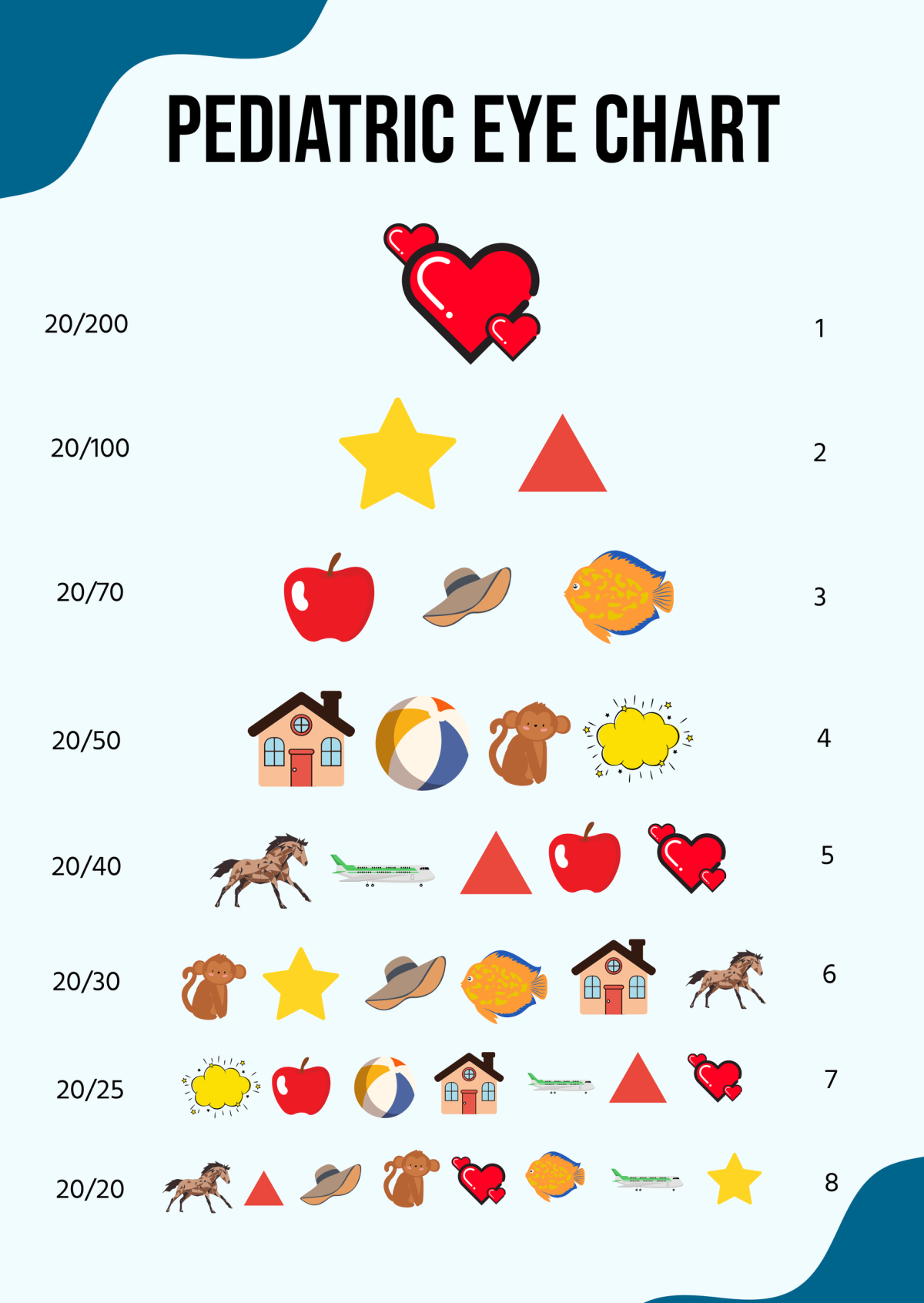
Eye charts are designed to measure visual acuity—the clarity or sharpness of vision. For preschoolers, the goal is to ensure they can recognize letters or images from a distance. This is essential for their development, as good vision plays a crucial role in learning and interacting with their environment. A printable eye chart tailored for young children typically uses larger letters or fun images, making it easier for them to engage with the test.
Features of a Good Printable Eye Chart
When selecting or creating a printable eye chart for preschoolers, consider the following features:
- Child-Friendly Design: Use larger letters or images that are easy to recognize. Bright colors and playful themes can make the eye chart more appealing.
- Clear Instructions: Ensure the chart includes simple instructions on how to conduct the test. This helps parents and teachers administer it correctly.
- Multiple Formats: Look for charts available in different formats, such as PDF or image files, to ensure compatibility with various devices and printing options.
How to Use the Eye Chart
Using a printable eye chart is straightforward. Here’s a step-by-step guide to make the most of it:
- Print the Chart: Download the eye chart in your preferred format. For best results, print it on cardstock or a thicker paper to prevent tearing.
- Choose the Right Distance: Position the chart at the recommended distance, usually around 10-20 feet, depending on the chart’s design. If space is limited, you can adjust the distance but ensure it remains consistent.
- Conduct the Test: Have the child cover one eye and read the letters or identify the images on the chart. Record their responses to assess their visual acuity.
- Repeat for Each Eye: After testing one eye, switch and repeat with the other eye covered. This will give you a clearer picture of their vision.
- Follow Up: If there are concerns about their ability to read the chart, consider consulting a pediatric eye specialist for a more comprehensive evaluation.
Digital Vs. Print: Which is Better?
You might wonder whether it’s better to use a digital version of the eye chart or print it out. Here are some considerations:
- Digital Formats: Using a fillable PDF on-screen can be convenient. You can place the chart on a tablet or computer and adjust the size as needed. However, ensure the screen is clear and bright enough for the child to see the details.
- Printed Versions: Printing the eye chart is often the preferred choice. It allows you to control the dimensions and print quality. Plus, having a physical copy can make it easier to use in various settings, such as at home or in a classroom.
Tips for Effective Use
To maximize the effectiveness of your printable eye chart, keep these tips in mind:
- Create a Routine: Incorporate the eye test into your regular health checks. Doing this often can help track changes in the child’s vision over time.
- Make it Fun: Turn the eye test into a game. Use rewards or praises to encourage children and make the experience enjoyable rather than stressful.
- Be Observant: Pay attention to the child’s behavior during the test. If they seem frustrated or disinterested, it might indicate a vision issue that needs addressing.
Where to Find Printable Eye Charts
There are many resources available online where you can download printable eye charts specifically designed for preschoolers. Some websites may offer free downloads, while others might require a small fee. Look for reputable educational resources or pediatric health sites that provide materials crafted by professionals.
- Educational Websites: Many educational websites offer free printable resources, including eye charts. Check sites dedicated to child development or preschool education.
- Health Organizations: National health organizations sometimes provide downloadable charts to promote eye health among children. These can be a reliable source of accurate materials.
Using a printable eye chart for preschoolers can be an excellent way to keep track of their vision development. By integrating this tool into your routine, you’re taking an important step in ensuring their visual health. Download your chart today and enjoy the process of helping children learn and grow!