Learning to play the flute can be an exciting adventure, especially for young musicians. A great tool to help simplify that journey is the Free Flute Finger Chart Printable. This resource is a lifesaver for parents teaching their children the basics of flute playing or for students navigating their first lessons. In this article, we’ll explore the benefits of using a finger chart, how to effectively use it, and tips for making the most of this handy resource.
What is a Flute Finger Chart?
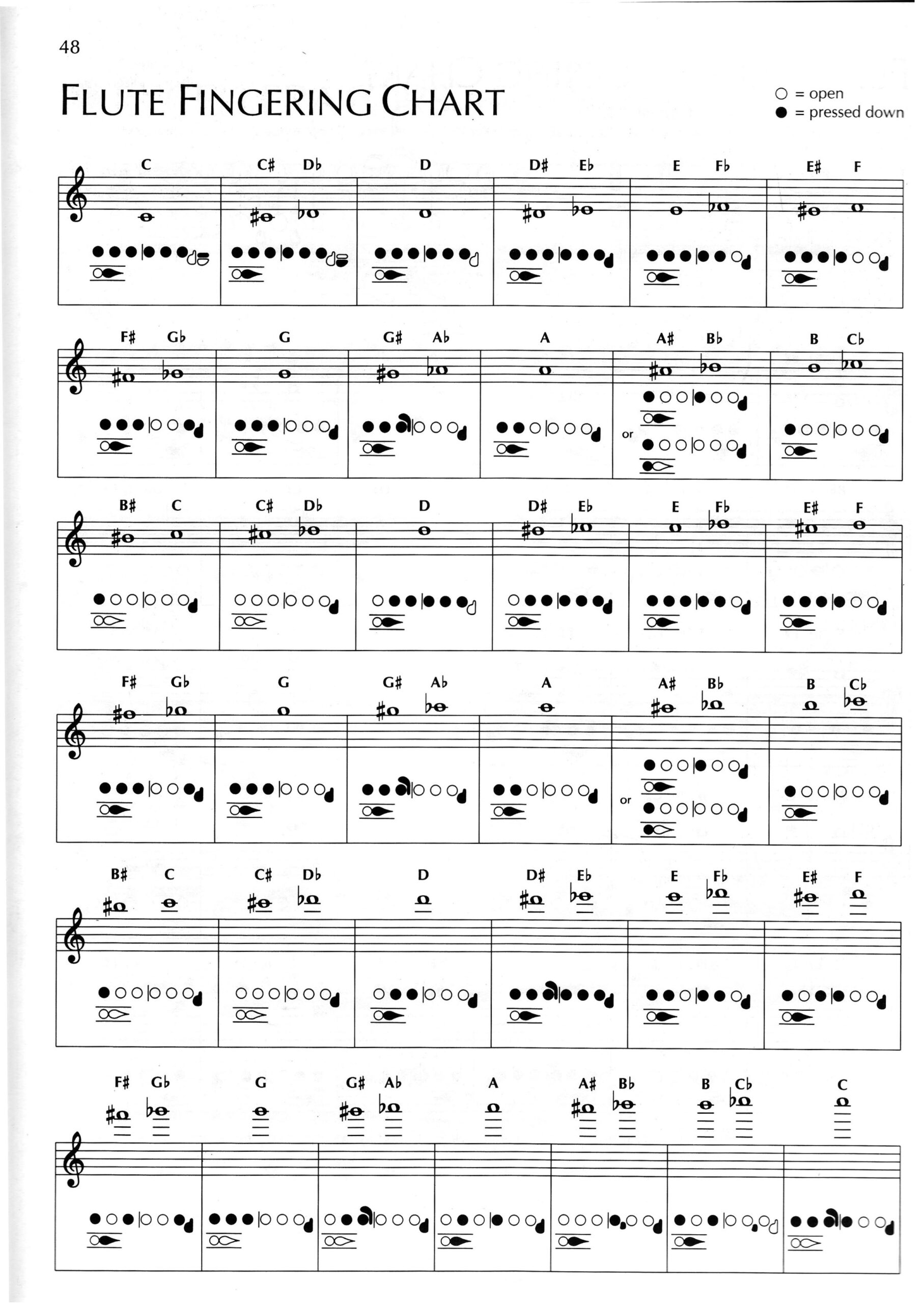
A flute finger chart is a visual guide that displays the finger placements for different notes on the flute. It typically includes diagrams showing which keys to press for each note, allowing beginners to quickly reference fingerings as they learn. This chart is especially useful for young players who are still developing their muscle memory and need a quick way to recall which fingers go where.
The Free Flute Finger Chart Printable can be used for various skill levels, but it’s particularly beneficial for beginners. It gives them a clear visual representation of the flute’s layout, making it easier to understand how different notes are produced.
How to Use the Flute Finger Chart
Using the Free Flute Finger Chart Printable is straightforward and can be incorporated into practice sessions in several ways:
- Print it Out: Start by downloading and printing the chart. Consider printing it on sturdy paper or cardstock to ensure it lasts through repeated use. If you laminate it, it’ll be even more durable!
- Hang It Up: Place the finger chart on a wall or bulletin board in your practice area. This way, your child can easily glance at it while playing, reinforcing the finger placements as they practice.
- Fingering Practice: Encourage your child to refer to the chart while playing scales or simple melodies. As they play each note, they can look at the chart to confirm the correct finger positions.
- Games and Challenges: Turn practice into a fun game! Call out notes for your child to play and have them find the corresponding fingerings on the chart. This not only makes practice more engaging but also helps solidify their memory of the finger placements.
Key Features of the Free Flute Finger Chart Printable
The Free Flute Finger Chart Printable typically includes:
- Visual Diagrams: Clear illustrations of the flute showing key placements for each note.
- Note Names: Each diagram includes the name of the note, making it easier for learners to connect the sound with the correct finger positioning.
- Easy to Read: The layout is designed to be user-friendly, with large visuals that are easy for young players to understand.
Common Mistakes to Avoid
While using the Free Flute Finger Chart Printable is generally straightforward, there are some common pitfalls to be aware of:
- Over-Reliance on the Chart: While it’s important to use the chart, encourage your child to gradually memorize the fingerings. Too much dependence on the chart can hinder their ability to play fluidly.
- Incorrect Finger Placement: Remind your child to pay close attention to the diagrams. Sometimes it’s easy to mix up fingerings, especially with similar notes. Regular practice and checking against the chart can help eliminate this issue.
- Neglecting Breath Control: Fingerings are just one part of playing the flute. Ensure that your child practices their breath control and tone production alongside using the chart. This combination will lead to a more rounded skill set.
Integrating the Finger Chart Into a Routine
Incorporating the Free Flute Finger Chart Printable into a regular practice routine can significantly enhance a learner’s experience. Here’s how you might structure a practice session:
- Warm Up: Start with long tones to focus on breath control. Use the finger chart to visualize the notes being played.
- Scales: Practice scales while referring to the chart. This will help reinforce fingerings and improve muscle memory.
- Simple Songs: Choose beginner songs that align with the notes on your chart. This makes learning fun and gives practical application to what they are practicing.
- Review: End with a review of the finger chart. Ask your child to point out different notes and their fingerings, reinforcing their learning.
Where to Find Additional Resources
While the Free Flute Finger Chart Printable is a fantastic starting point, there are many other resources you can explore to support your child’s flute learning journey. Websites dedicated to music education often offer additional printables, including:
- Practice Logs: Keeping track of practice times can help motivate your child.
- Music Theory Worksheets: Understanding the theory behind music can enhance their skills and appreciation for playing.
- Additional Finger Charts: Different variations or advanced finger charts can help as they progress.