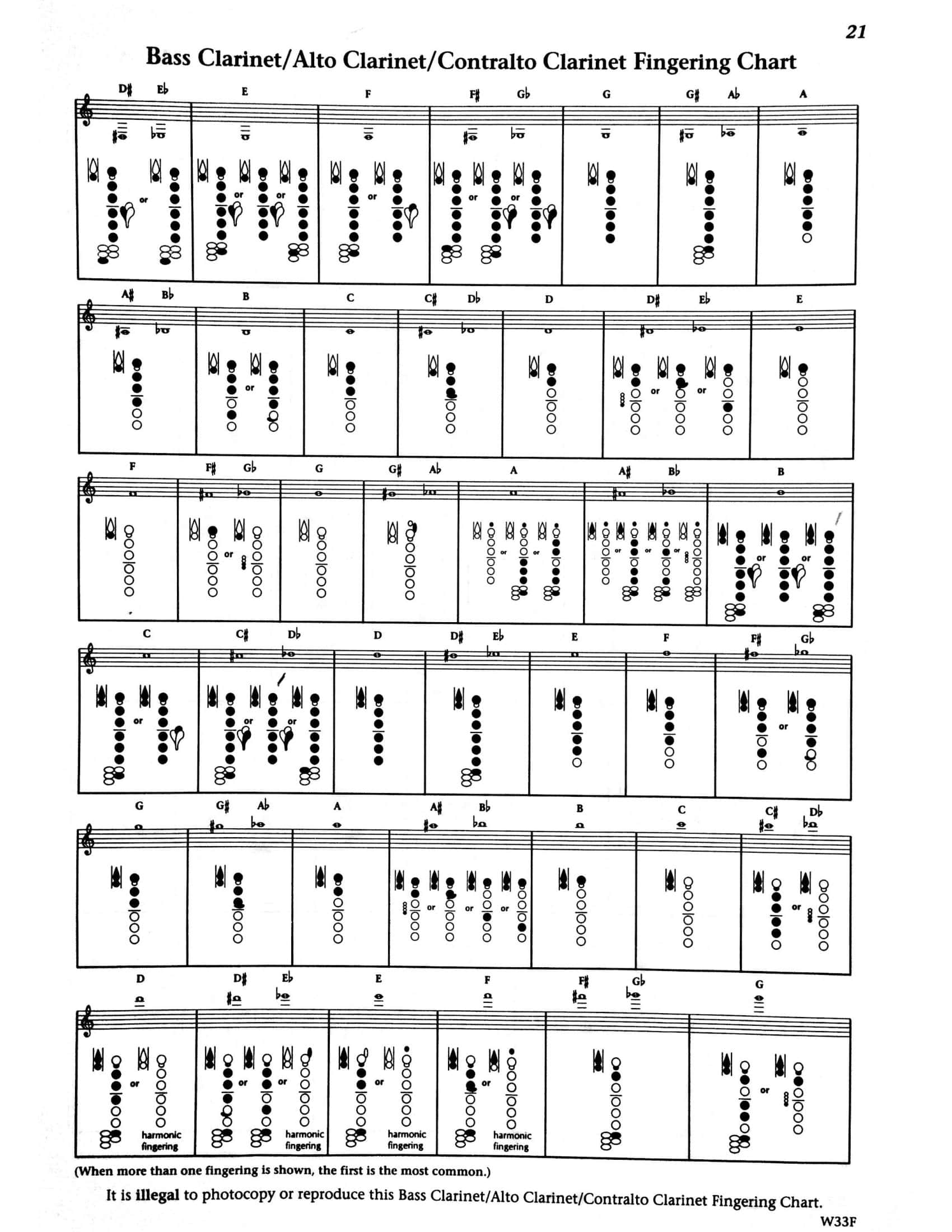
If you’re looking for an easy way to help your child learn the clarinet, the Free Clarinet Finger Chart Printable is a fantastic resource. This chart simplifies the learning process by visually representing finger placements for various notes, making it easier for beginners to understand and practice. Many parents have found that having a clear reference guide at hand can significantly boost their child’s confidence and progress in learning this beautiful instrument.
Understanding the Layout of the Finger Chart
The layout of the Free Clarinet Finger Chart Printable is designed with clarity in mind. Typically, the chart will display a series of diagrams representing the clarinet’s fingerings for different notes. Each note is illustrated with a corresponding diagram that shows which fingers to use.
This layout is particularly beneficial for young musicians. It allows them to quickly glance at the chart while practicing, enabling them to connect the visual representation of finger placements with the sounds they produce. The organized format ensures that beginners won’t feel overwhelmed, as they can start with a few notes and gradually expand their repertoire.
How to Use the Finger Chart Effectively
To make the most out of the Free Clarinet Finger Chart Printable, consider these practical tips:
- Print it Out: Once you download the chart, print it out on a standard A4 or letter-sized paper. If possible, use a color printer, as the different colors may help differentiate between the notes and their fingerings.
- Display it Prominently: Hang the chart in a location where your child practices. Whether it’s on a music stand or a wall, having it visible will encourage them to refer to it frequently.
- Practice with a Buddy: Encourage your child to practice with a friend or family member. They can help each other by pointing out the correct fingerings while playing, making practice more interactive and fun.
- Start with the Basics: Focus on a handful of notes initially, gradually introducing more as your child becomes comfortable with the instrument. The chart’s layout allows for easy identification of these notes.
- Regularly Review: As they progress, revisit the chart to reinforce learning. This not only helps with memorization but also builds a solid foundation for more advanced techniques.
Recommended Paper and Printing Options
When printing the Free Clarinet Finger Chart Printable, consider the following options to enhance durability and usability:
- Paper Type: Using cardstock instead of regular printer paper can make the chart more durable, especially if it’s going to be handled frequently. Cardstock holds up better to wear and tear, making it suitable for younger children.
- Lamination: If you want the chart to last even longer, consider laminating it. This way, it can withstand spills or accidental tears, and you can even use dry-erase markers to mark notes during practice.
- Orientation and Size: Portrait orientation often works best for charts like these, as it provides ample vertical space for each note. Ensure the size is manageable for your child’s practice area; typically, A4 or letter size is ideal.
Where to Integrate the Chart in a Learning Routine
Incorporating the Free Clarinet Finger Chart Printable into a structured learning routine can maximize its effectiveness. Here’s how you might do that:
- Warm-Up Sessions: Start practice sessions with a warm-up that includes playing the notes indicated on the finger chart. This reinforces the fingerings while helping your child get comfortable with their instrument.
- Daily Practice Goals: Set daily goals that reference the chart. For example, aim to master three new notes each week. The chart can serve as a guide to track progress.
- Incorporate into Lessons: If your child is taking lessons, encourage them to bring the chart to each session. Their teacher can offer feedback and additional tips on using it effectively.
- Fun Challenges: Create challenges based on the chart. For example, see how quickly your child can switch between notes. This can make practice feel less like a chore and more like a game.
- Performance Prep: If your child is preparing for a performance, use the chart to help them memorize fingerings for specific pieces. This can boost their confidence when it’s time to play in front of an audience.
Additional Resources for Clarinet Players
While the Free Clarinet Finger Chart Printable is an excellent starting point, you might also consider other resources to further support your child’s musical journey. Here are a few suggestions:
- Books: Look for beginner clarinet books that include exercises and songs tailored to young learners. These often complement the finger chart by providing context for each note.
- Online Videos: There are numerous online tutorials available that can guide your child through the basics of playing the clarinet. Watching these videos can reinforce what they learn from the finger chart.
- Practice Apps: Consider using music practice apps that help track progress and provide feedback. Some apps even offer interactive features that can make learning more engaging.
- Community Groups: Joining a local music group or community can provide additional motivation. Interacting with peers who share similar interests can make the learning experience more enjoyable.
Using the Free Clarinet Finger Chart Printable is a straightforward way to assist your child in mastering the clarinet. The clear, organized layout not only simplifies the learning process but also fosters a sense of confidence as they practice. Remember, the key is regular practice and positive reinforcement, leading to a rewarding musical journey for your young musician.
One useful detail to keep in mind is that some charts may include alternate fingerings for specific notes, which can be beneficial as your child advances in skill.