Managing diabetes, especially in children, requires careful attention to insulin injection sites. A Printable Insulin Injection Site Chart can make this task much easier. This resource helps parents and caregivers keep track of the various injection sites, ensuring that insulin is administered correctly and safely. In this guide, I’ll explain how to use this chart effectively, who it’s for, and why it’s an essential tool for your diabetes management routine.
Understanding the Printable Insulin Injection Site Chart
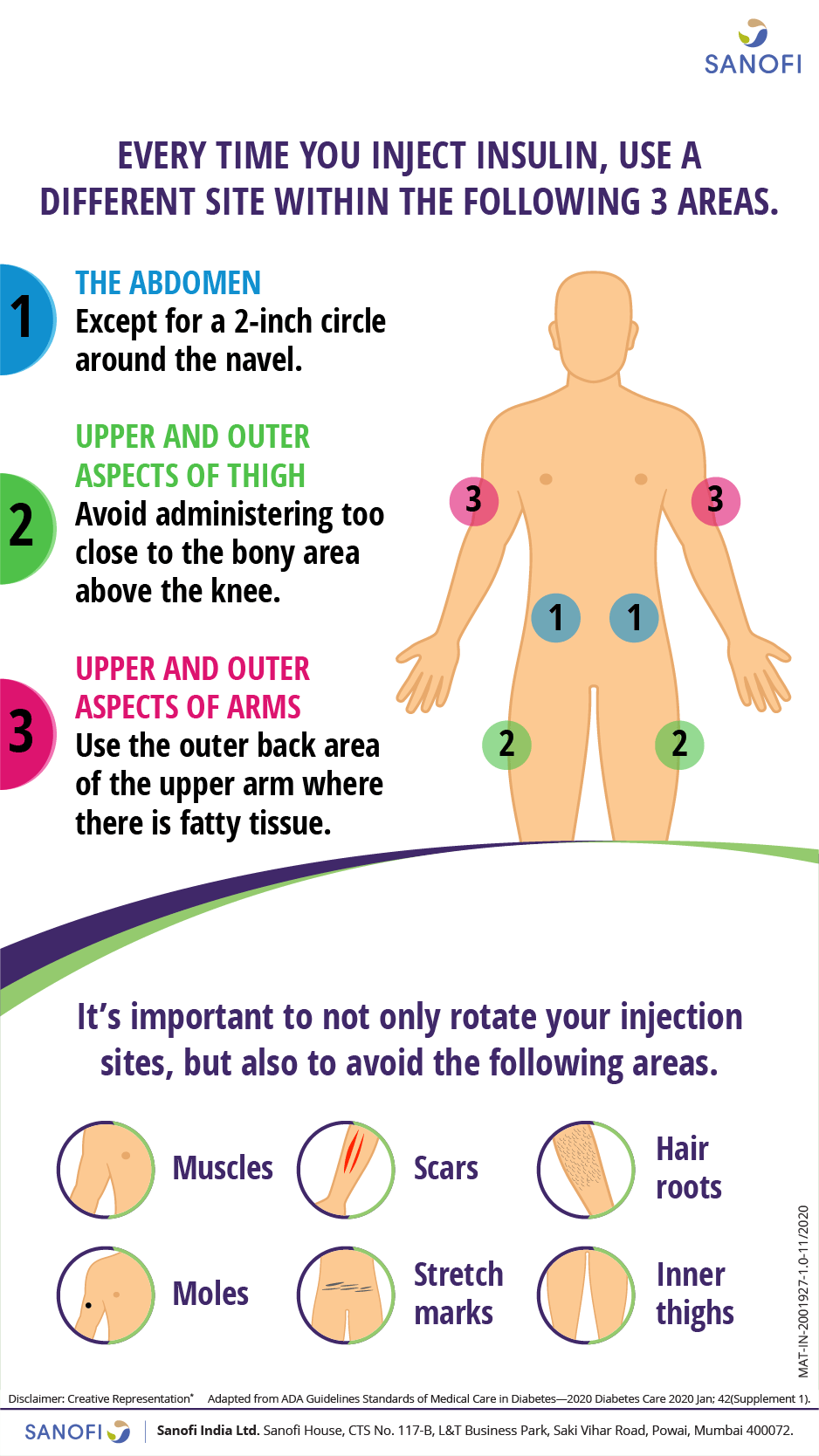
The Printable Insulin Injection Site Chart is designed to help you monitor and organize insulin injection sites. It typically includes diagrams of the body, indicating recommended injection areas such as the abdomen, thighs, and upper arms. The chart allows you to mark where injections have been administered, which is crucial in preventing complications like lipodystrophy, a condition where fat tissue changes due to repeated injections in the same spot.
This chart is particularly useful for parents of young children or those managing diabetes for someone unable to track their injections independently. It serves as a visual reminder of where insulin has been injected, helping to maintain a rotation schedule.
How to Fill Out the Chart
Filling out the Printable Insulin Injection Site Chart is straightforward. Here’s a step-by-step guide:
- Print the Chart: Use a good-quality printer, ideally on cardstock if you plan to use it frequently. This will make it more durable and resistant to wear and tear.
- Locate the Injection Sites: Familiarize yourself with the marked areas. Common sites include:
- Abdomen (about 2 inches away from the navel)
- Thighs (outer thigh preferred)
- Upper arms (back of the arm)
- Mark the Injection Site: After each injection, make a note on the chart. You can use a simple dot or a date to indicate where the injection was given. This helps in rotating sites effectively.
- Review Regularly: Make it a habit to review the chart regularly. This can help you identify any patterns or issues with specific sites and adjust accordingly.
- Store Safely: Keep the chart in a designated place where it is easily accessible yet safe from spills or damage. Consider laminating it for extra durability.
When to Use the Chart
You should incorporate the Printable Insulin Injection Site Chart into your daily diabetes management routine. Here are some scenarios when it becomes particularly essential:
- Daily Insulin Administration: If your child receives insulin daily, tracking injection sites is critical to avoid complications.
- Traveling: When away from home, the chart helps ensure consistency in injection site rotation.
- School or Care Settings: If your child is at school or under the care of someone else, providing them with the chart can help them follow the same injection protocols.
Best Practices for Using the Chart
To get the most out of your Printable Insulin Injection Site Chart, keep these best practices in mind:
- Educate: Teach your child about the importance of rotating injection sites. This understanding can help them take ownership of their diabetes care.
- Stay Consistent: Use the same method to mark injections each time. Consistency simplifies tracking and reduces confusion.
- Incorporate Technology: If you find it helpful, consider taking a photo of the filled chart periodically. This can serve as a backup and help you monitor long-term trends.
Printing and Presentation Tips
When printing your Printable Insulin Injection Site Chart, consider the following tips:
- Paper Type: Use high-quality printer paper or cardstock to ensure durability. If you plan on laminating, cardstock is the better option.
- Printer Settings: Use the highest quality print settings available to ensure clarity, especially in the diagrams.
- Size Options: If space is a concern, consider printing on half-size sheets or adjusting the scale if your printer allows it. Just make sure the details remain legible.
Adapting the Chart for Individual Needs
Every child’s diabetes management needs may differ, so feel free to adapt the Printable Insulin Injection Site Chart. You can add sections for notes, such as reactions to insulin or specific reminders for different times of the day. Customizing the chart can help make it more relevant and useful for your family’s unique situation.
If your child uses multiple types of insulin, consider creating a separate section on the chart to differentiate between them. This can help clarify which type was administered at each site, further enhancing safety and effectiveness.
Next Steps: Download and Use Your Chart
Now that you know the importance and usage of the Printable Insulin Injection Site Chart, it’s time to put it into practice. Download the chart from a reputable printable-resource website, print it out, and start integrating it into your daily routine. By doing so, you’ll be taking a proactive step in managing your child’s diabetes care effectively.