Managing your blood sugar levels is crucial for maintaining your overall health, especially if you are diabetic or pre-diabetic. A Blood Sugar Levels Empty Chart Printable can be an invaluable tool in helping you track your glucose levels consistently. guide you through the practical aspects of using this resource effectively, ensuring you get the most out of your chart.
Understanding the Blood Sugar Levels Empty Chart
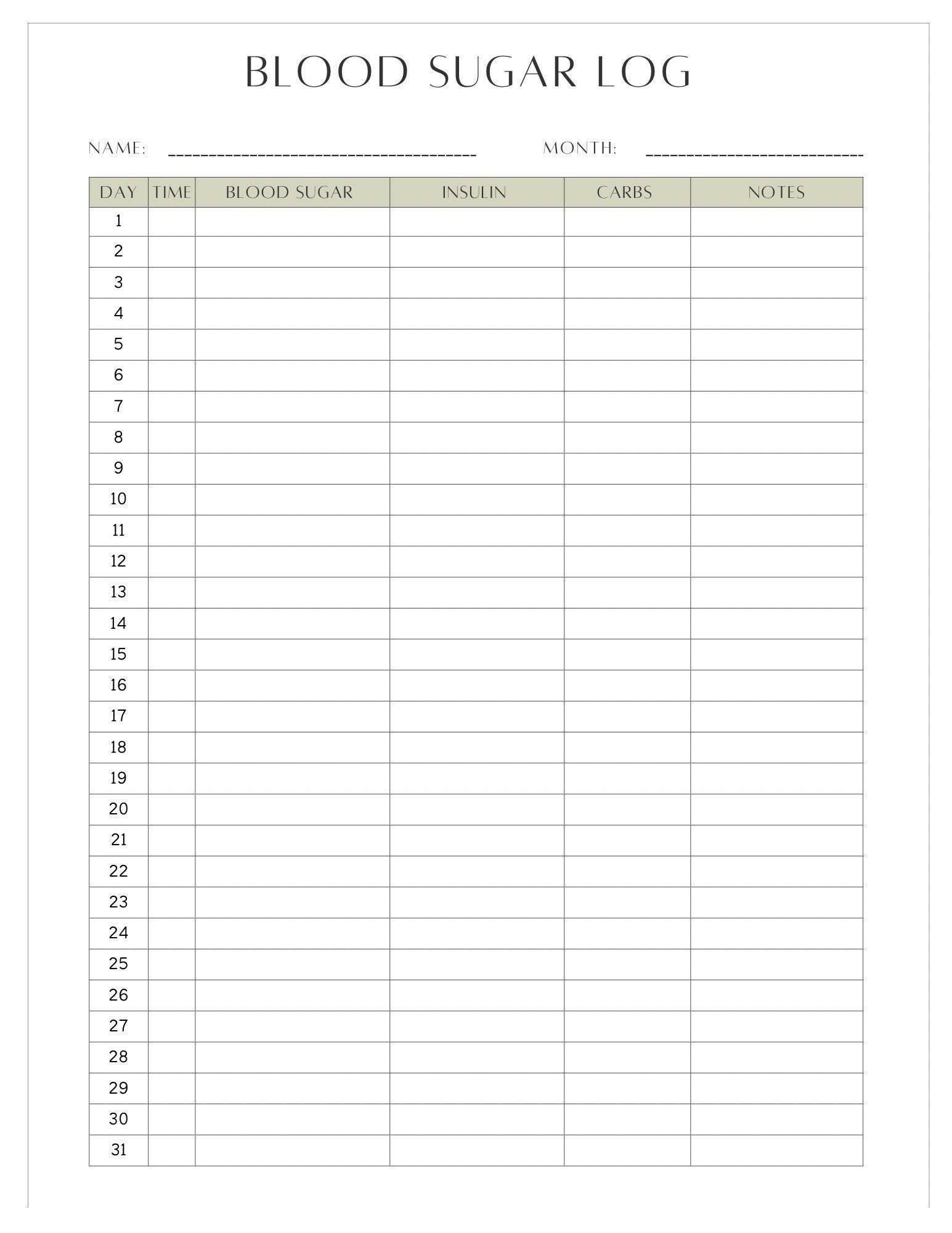
The Blood Sugar Levels Empty Chart is designed to help you record your daily glucose readings. Typically, this chart includes sections for the date, time of day, blood sugar level, and any notes regarding food intake, exercise, or medication. By keeping a log, you can identify patterns in your blood sugar levels, which can be crucial information for your healthcare provider.
When you first download this chart, you might notice it’s laid out in a simple grid format. Each row represents a different entry, allowing you to fill in your data easily. This straightforward design helps you focus on the numbers without distractions, making it easier to spot trends over time.
How to Use the Blood Sugar Levels Empty Chart
Filling out your Blood Sugar Levels Empty Chart is a straightforward process. Here’s a step-by-step guide to help you get started:
- Download and Print: Start by downloading the chart from a reliable source. Use a standard letter-size paper (8.5 x 11 inches) for easy printing. If you prefer, print on cardstock for durability, especially if you plan to carry it around.
- Set a Routine: Choose specific times during the day to check your blood sugar levels. Common intervals include fasting (first thing in the morning), before meals, and two hours after meals. Consistency is key for accurate tracking.
- Record Your Readings: In the designated columns, write down the date, time, and your blood sugar level. If you’re using a continuous glucose monitor (CGM), you can note down the average reading for the time period.
- Add Notes: Utilize the notes section to record anything relevant that might affect your blood sugar, such as meals consumed, exercise, stress levels, or medication taken. This context can be invaluable when reviewing your data later.
- Review Regularly: Set aside time each week or month to review your chart. Look for patterns, such as spikes after specific meals or drops after exercise. This analysis can help you and your healthcare provider make informed decisions about your management plan.
Tips for Effective Blood Sugar Monitoring
Tracking your blood sugar levels is more than just writing down numbers; it’s about understanding the story behind those numbers. Here are some practical tips to enhance your monitoring:
- Use a Pen: Always use a pen to fill out your chart. Pencils can smudge or be erased, leading to inaccurate records. Choose a pen that’s easy to write with and won’t bleed through the paper.
- Keep It Accessible: Store your chart in a place where you can easily access it, like your kitchen or near your medication. This will remind you to check your levels regularly.
- Consider Digital Options: If you prefer technology, consider using apps that allow you to log your blood sugar levels digitally. Many apps also provide graphs and analytics that can help visualize your data over time.
- Set Reminders: Use your phone or a calendar to set reminders for when to check your blood sugar. This will help you establish a routine and avoid forgetting.
Where to Submit or Share Your Chart
Once you’ve filled out your Blood Sugar Levels Empty Chart, you may need to share it with your healthcare provider. Here’s how to do that effectively:
- Bring It to Appointments: If you have a scheduled appointment, bring your completed chart with you. This allows your healthcare provider to see your progress and make any necessary adjustments to your treatment plan.
- Email or Fax: Some healthcare providers may allow you to send your chart electronically. Check with their office for preferred methods of submission. Ensure that the chart is clear and legible if submitting electronically.
- Keep a Copy: Always keep a copy of your chart for your own records. This not only helps you track your progress but also allows you to refer back to previous readings if needed.
Common Mistakes to Avoid
Tracking your blood sugar levels can be straightforward, but there are common pitfalls to avoid:
- Inconsistent Logging: Failing to log your readings regularly can lead to gaps in your data, making it difficult to identify trends. Try to log your levels daily, or at least several times a week.
- Neglecting Notes: Not recording relevant notes can limit the usefulness of your chart. Always include notes that might explain fluctuations in your blood sugar levels.
- Using Inaccurate Devices: Ensure your blood glucose meter is calibrated and functioning correctly. An inaccurate reading can mislead you and affect your management plan.
- Ignoring Patterns: If you notice a trend in your readings, don’t ignore it. Use this information to discuss your management plan with your healthcare provider.