Using a 100 Chart For Kids Printable can be a fun and effective way to enhance your child’s math skills. This colorful chart is not just a tool for counting; it offers a visual method to help kids grasp numbers and patterns. By incorporating this resource into your child’s learning routine, you can foster a better understanding of arithmetic concepts while making learning enjoyable.
What is a 100 Chart?
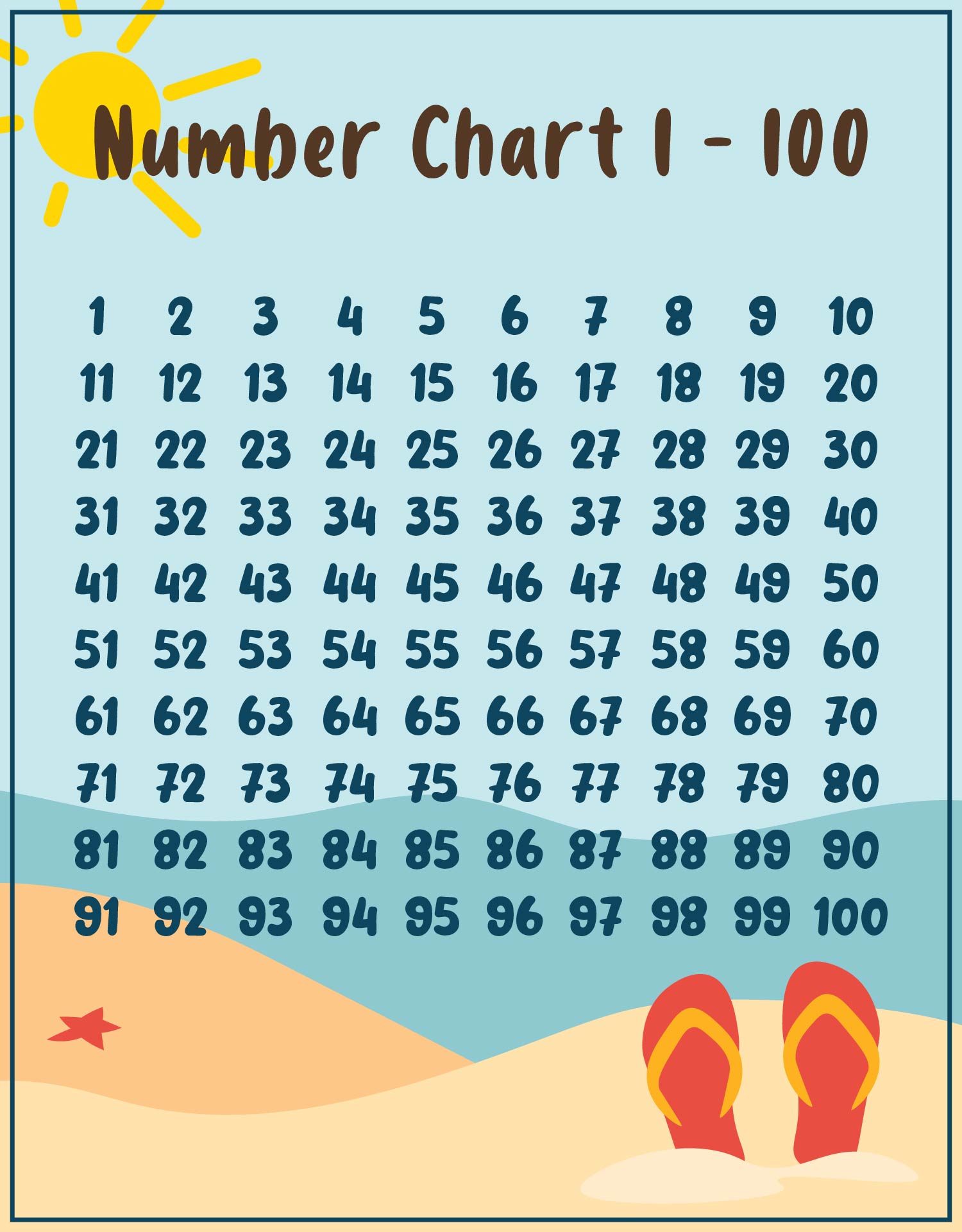
A 100 chart is a simple grid that displays the numbers from 1 to 100. It’s typically organized in a 10×10 format, allowing children to see numbers in relation to one another. The chart is a fantastic visual aid for teaching counting, addition, and even subtraction. When kids can see numbers arranged in a grid, they start to recognize patterns, such as the way numbers increase by tens or how odd and even numbers alternate.
Who Can Benefit From a 100 Chart?
The 100 Chart For Kids Printable is ideal for children in early elementary grades, typically kindergarten through second grade. However, it can also be useful for older students who may need additional support in math. As a parent, you can use this chart to introduce various concepts or reinforce what your child is learning in school.
You’ll find that children who are just starting to learn numbers can benefit significantly from this tool. They can practice counting, learn to skip count by 2s, 5s, or 10s, and even begin to understand simple addition and subtraction.
How to Use the 100 Chart Effectively
Using a 100 chart can be straightforward, but there are ways to make it even more effective. Here are some practical tips to get started:
- Daily Counting Practice: Start each day by counting together using the chart. This will help your child become familiar with the layout and numbers.
- Coloring Activities: You can make counting fun by having your child color specific numbers. For instance, ask them to color all the even numbers in blue and odd numbers in red. This will help them visually differentiate between the two.
- Skip Counting: Once your child is comfortable with counting by ones, introduce skip counting. Use the chart to practice counting by 2s, 5s, or 10s. This is a great way to build a foundation for multiplication.
- Addition and Subtraction: Use the chart for simple math problems. For example, if you want to teach addition, start with a number, say 7, and have your child count up to 10. This hands-on experience reinforces their understanding of addition.
- Games and Challenges: Turn learning into a game. Challenge your child to find specific numbers as quickly as possible or ask them to identify patterns, such as counting by tens.
Where to Download Your 100 Chart For Kids Printable
Finding a high-quality 100 Chart For Kids Printable is easy. Many educational websites offer free downloadable versions that you can print at home. Look for resources that provide the chart in PDF format, as this will ensure that the layout remains consistent when printed. Here are a few tips for downloading:
- Check the Size: Ensure that the chart is designed for standard paper sizes, like 8.5 x 11 inches. This size fits most home printers without issues.
- Opt for Color: A colorful chart can be more engaging for children. Look for printables that use bright colors to capture your child’s interest.
- Consider Laminating: If you plan to use the chart frequently, consider printing it on cardstock and laminating it. This will make it more durable and allow for repeated use with dry-erase markers.
Integrating the 100 Chart Into Your Learning Routine
Incorporating the 100 chart into your child’s daily routine can enhance their learning experience. Here are some suggestions:
- Morning Math Time: Set aside a few minutes each morning for math practice using the chart. This can become a fun ritual that your child looks forward to.
- Homework Helper: Use the chart as a reference tool during homework time. If your child struggles with a math problem, they can refer back to the chart for assistance.
- Learning Stations: If you have multiple children or want to create a learning environment, set up different stations with various math tools, including the 100 chart. Rotate between activities to keep learning dynamic.
Tracking Progress With the 100 Chart
One of the most rewarding aspects of using a 100 chart is tracking your child’s progress. You can easily see how they improve over time. Here’s how:
- Set Goals: Establish specific math goals with your child, such as mastering counting by 10s or completing addition problems without assistance. Use the chart to help measure their success.
- Mark Achievements: Consider marking achievements directly on the chart with stickers or stars. This visual representation of progress can motivate your child to continue improving.
- Review Regularly: Regularly revisit the chart with your child to review what they’ve learned. This can reinforce their skills and build confidence.
Customizing Your 100 Chart Experience
While a standard 100 chart is incredibly useful, customizing it can make it even more engaging. Here are some ideas:
- Personal Touch: Encourage your child to decorate their chart with drawings or stickers. Personalizing the chart can create a sense of ownership and make learning more enjoyable.
- Themed Charts: Look for themed 100 charts that include characters or designs your child loves. This can make the chart more appealing and exciting.
- Interactive Elements: Create an interactive chart by adding movable pieces (like paper clips or small tokens) that your child can use to mark numbers as they practice counting or solving problems.
Using a 100 Chart For Kids Printable can transform your child’s learning experience. It’s a simple yet powerful tool that promotes understanding of numbers, counting, and basic math skills. By incorporating this chart into your daily routine, you’re not just teaching math; you’re creating a positive and encouraging environment for your child’s educational journey.